Intro from the Editor
Welcome to the fourth edition of Urban Scrawl.
I always intended the zine to feel like a walk through a city, with pieces reflecting and clashing with each other like buildings: baroque flourishes next to modernist lines and concrete poetry. Ideally, I wanted a mishmash of architects too: renowned, maverick, obscure.
So I’m delighted that this edition features up-and-comers published for the first time alongside award-nominated and established artists. I thank them all for letting me showcase their words and images and urge readers to check out their bios at the end. If you’re reading this on mobile, I’d also urge you to look at the desktop version for the full visual experience.
This is a bumper edition with over 40 pieces by 18 artists. I hope they surprise, delight and make you think about the urban environment and your place in it. To quote the very last words in this edition: poetry is everywhere.
On a personal note, while I learn to live better with the brutalist monstrosity that is bipolar disorder (and I say that as a fan of brutalism), Urban Scrawl is going on hiatus. I hope to see you on another city street down the line.
Happy strolling,
Annie Acre x
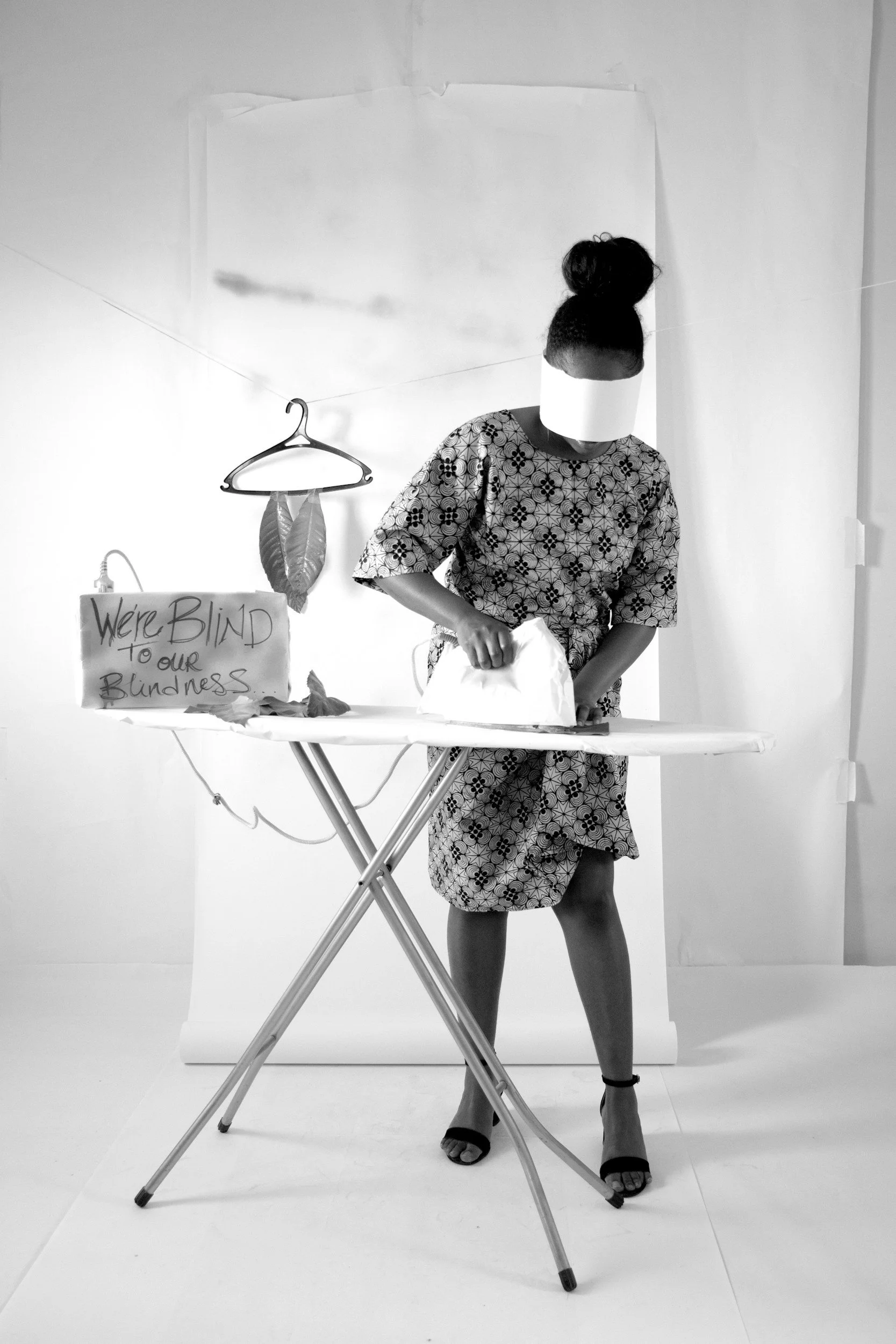
Close to Home
by Tim Brookes
The eighties came to Leeds in a police van,
blue light rifling the pebble-dash.
For one slow turn of the beacon,
each bedroom put its hands up.
The Evening Post arrived
with another woman folded small
beneath the headline.
Our mothers ironed work shirts
after the work had gone,
each empty sleeve
laid out like evidence.
At school, the future came
in purple Banda ink.
By home-time it had faded.
On the top deck, the names
we cut into vinyl
healed black.
Outside Crash, chip paper
pulped against the Headrow kerb.
Our sisters carried plastic screams
on their keyrings.
The last bus passed, lit
like a house escaping.
At the Jobcentre, men waited
in coats still bent
to vanished machines.
Next door, a fist entered plaster.
The grown-ups called it settling.
Each beating passed for weather.
Glassed. Lifted. Followed home.
We grew up in the passive:
no subject,
no witness.
Close to home, Look North said.
The nets were drawn.
From our kitchen,
a chair scraped back.
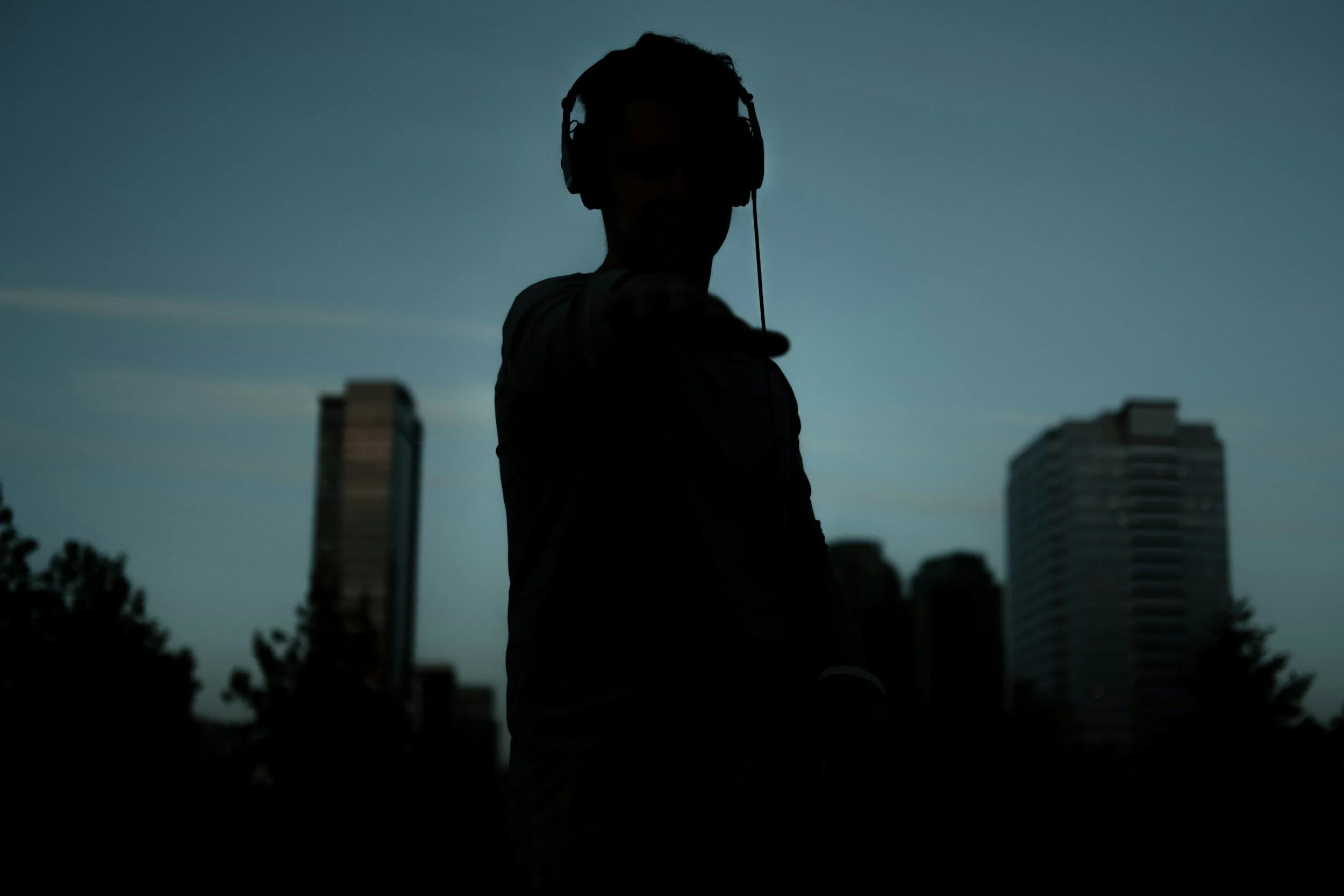
Ceremony on Vicar Lane
by Tim Brookes
He leaves town in headphones:
green circle, silver drums,
the song about crowds and bones.
One: the traffic island by the market.
Two: the barber’s, all picture fades.
Three: charity-shop ghosts.
He counts Leeds into place.
Headrow buses sleep
with one eye open.
Civic Hall owls stand watch.
A rider rattles past Kirkgate
with tomorrow’s bread.
Oi! across Vicar Lane,
a pint glass dropped
inside his ribs.
His shoulders lock.
The old static
climbs into his teeth.
The chorus takes his weight,
a thin church of drums.
He walks inside it.
At the empty crossing
he waits for green.
Rules are bones.
Red man. Green man. Walk.
Some people have pews.
He has pelican crossings.
Past the Grand,
past Merrion’s black windows,
rain needles his hood
in four-four,
each drop a knuckle
keeping time.
He tastes home
before he says it.
The word is cold
as a key.
At the bus stop
a woman looks through him.
He lets himself
turn to smoke.
Toward Chapeltown,
signals die street by street.
Taxis turn fox.
The music in his ears
becomes the only language.
He counts the last ten lampposts
softly, out loud.
One by one, they flare
behind him.
At the gate he hits pause.
Leeds keeps beating in his blood:
sirens, glass, rain,
that shout still opening
its red mouth.
One turn. Two.
On three, the lock gives.
He steps inside.
Behind him, the dark
starts counting.
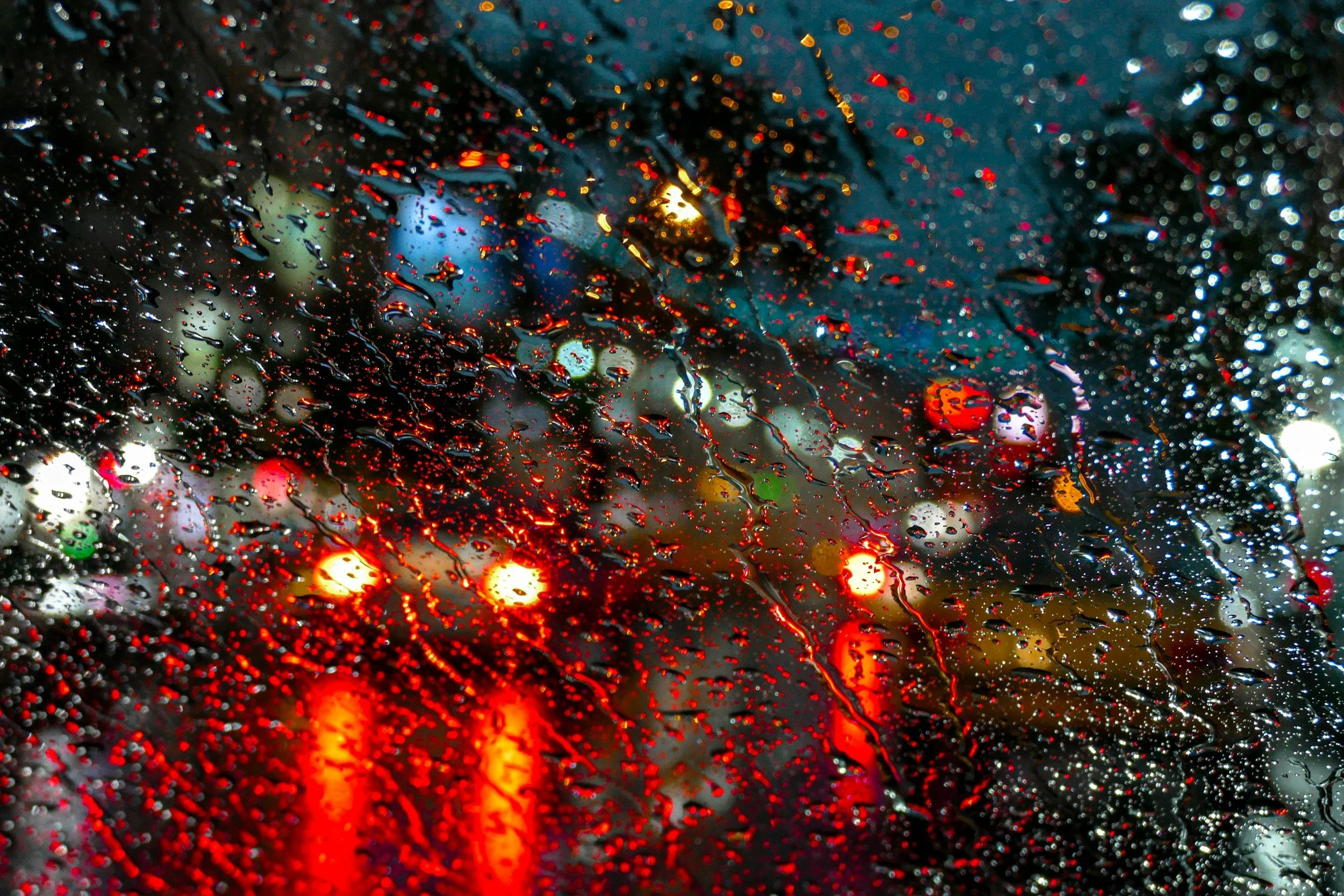
Four-Four on the Headrow
by Tim Brookes
School was strip-lights,
chairs squealing on lino,
voices ricocheting off breeze-block.
My name in the margin:
drifts. won’t settle.
Weather, not a boy.
At home, Mum’s mouth
clicked shut like a purse.
Dad opened his toolbox.
Metal had opinions.
If I started talking,
the house developed a fault:
hinge, latch, tap—
anything but me.
Estate: slammed doors,
dogs worrying the dark,
names booted down concrete,
mopeds sawing dusk in half.
No dial. Off / on.
On meant: brace.
By ’91, a Day Rover
sweated in my fist.
Rain snowed the windows.
Leeds came in cuts:
cemetery, gable, crane,
washing trying to leave.
The Queens Hotel, grey-jawed.
Its clock—one pale pupil,
never wrong.
Through perfume, hot fat,
carrier bags, down the Headrow
to Crash: church on one side,
chip shop on the other,
its window armoured with gig flyers,
neon clotting in rain.
Inside: cardboard, wet wool, vinyl.
The week unbuttoned,
filed by tempo. Sleeves pressed together
like terraces in winter.
SOUL / INDIE / US IMPORT / HOUSE.
Trax. Dance Mania. DJ International.
The lad behind the counter,
hair curled like a question:
You wanna hear it?
Marshall Jefferson, pink on black.
Needle down.
The air came clean—
a thumbprint lifted.
Four-four entered the ribs.
Kick. Hat. Clap. Hat.
Bass drove a grid through the floor.
The floor held. Chords rose:
concrete at dusk,
windows switching on.
Behind thick glass,
a 909 drilled my chest
until it answered.
Later, the estate went off again—
telly-light under doors,
a stolen bike revving nowhere,
a fist working the party wall.
I lay face to the speaker,
volume low.
Kick. Hat. Clap. Hat.
My fingers kept it
under the duvet.
Outside, the night
tried every handle.
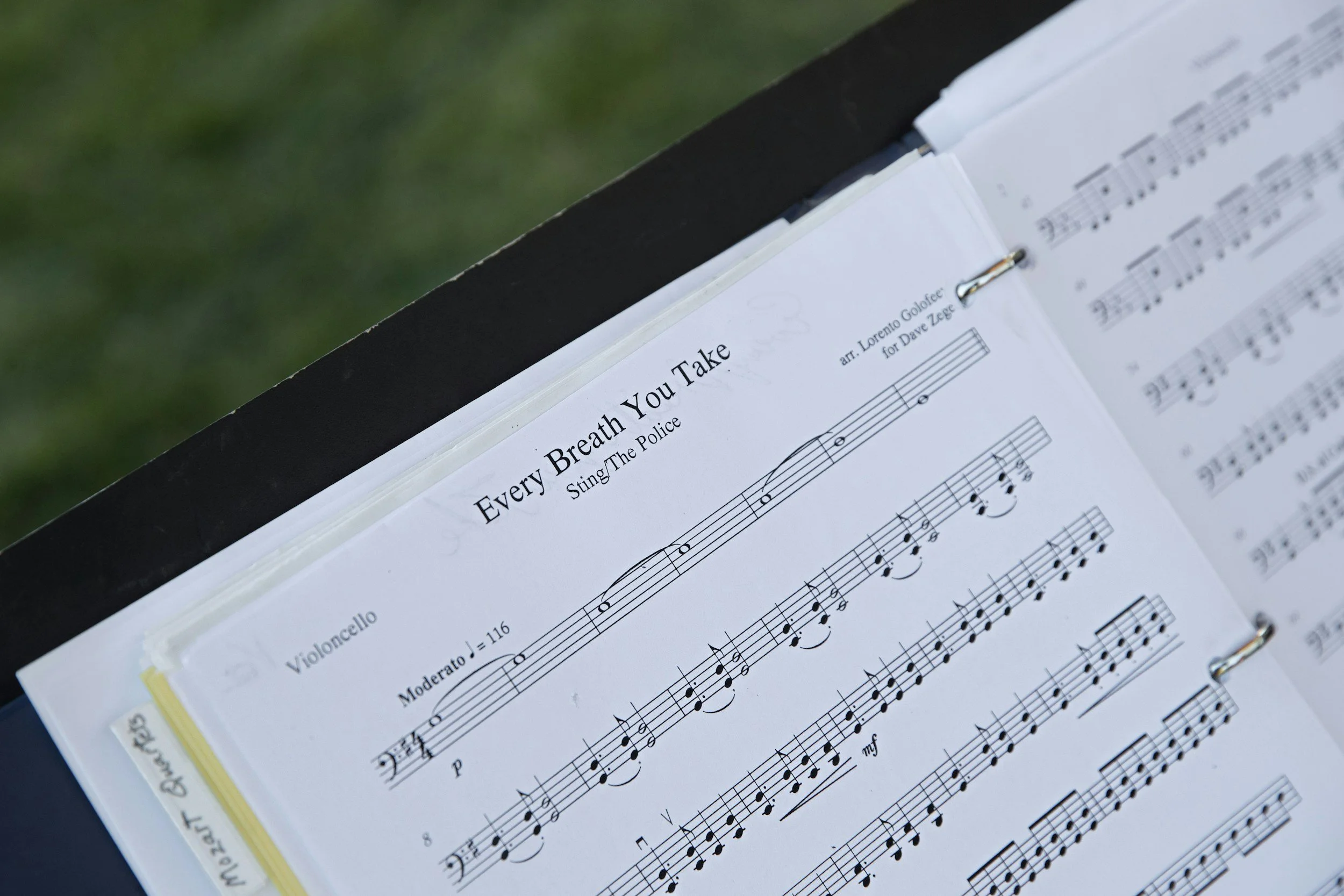
Rhythms
by Kev the Poet
I have established new rhythms
on a Saturday. No long walks
(no road has ever missed my sole).
I sleep late, coffee with Radio 2
(potential Belgian bun).
I surf the morning pavement on
vibraphones from Northern Soul songs
(they spread talc across my memory).
Mop and clean the floor for small marks
that may have blown in, from the hills.
Then, re-read old books, with ironic eyes
and mark the passing of life’s giants
with gin and juice from Finland.
Waiting for my ex-wife to arrive
to inform me, my pictures aren’t straight
which I accept, as an imperfect rhythm.
Possessions
by Kev the Poet
I’m sure my new flat is haunted.
I’m having random conversations
with strangers (like we used to have).
The oldest things I own are CD’s.
Corner of the living room, alphabetised.
Turn one on, it causes me to time travel.
And I’m sorry that my books kept
us apart, much like my bookmark.
With opening times for Toxteth Library
(I could never understand Mandarin).
I haven’t seen a soul for days.
Local seagulls tend to ignore me.
I could eat in the garden and they’d
bow down to me, share my food.
Not shared the bottle of champagne
my nephew left as a welcome gift.
I surf bookshop WiFi, downloading
programmes I can’t watch at home.
I winced through a wedding song today
and that was a major thing for me.
It’s amazing what a ghost can do
when there is no priest, no guest,
when the white space between us
is an old towel on a line, rustling.
Ghost Cities
by Charlotte Lancashire
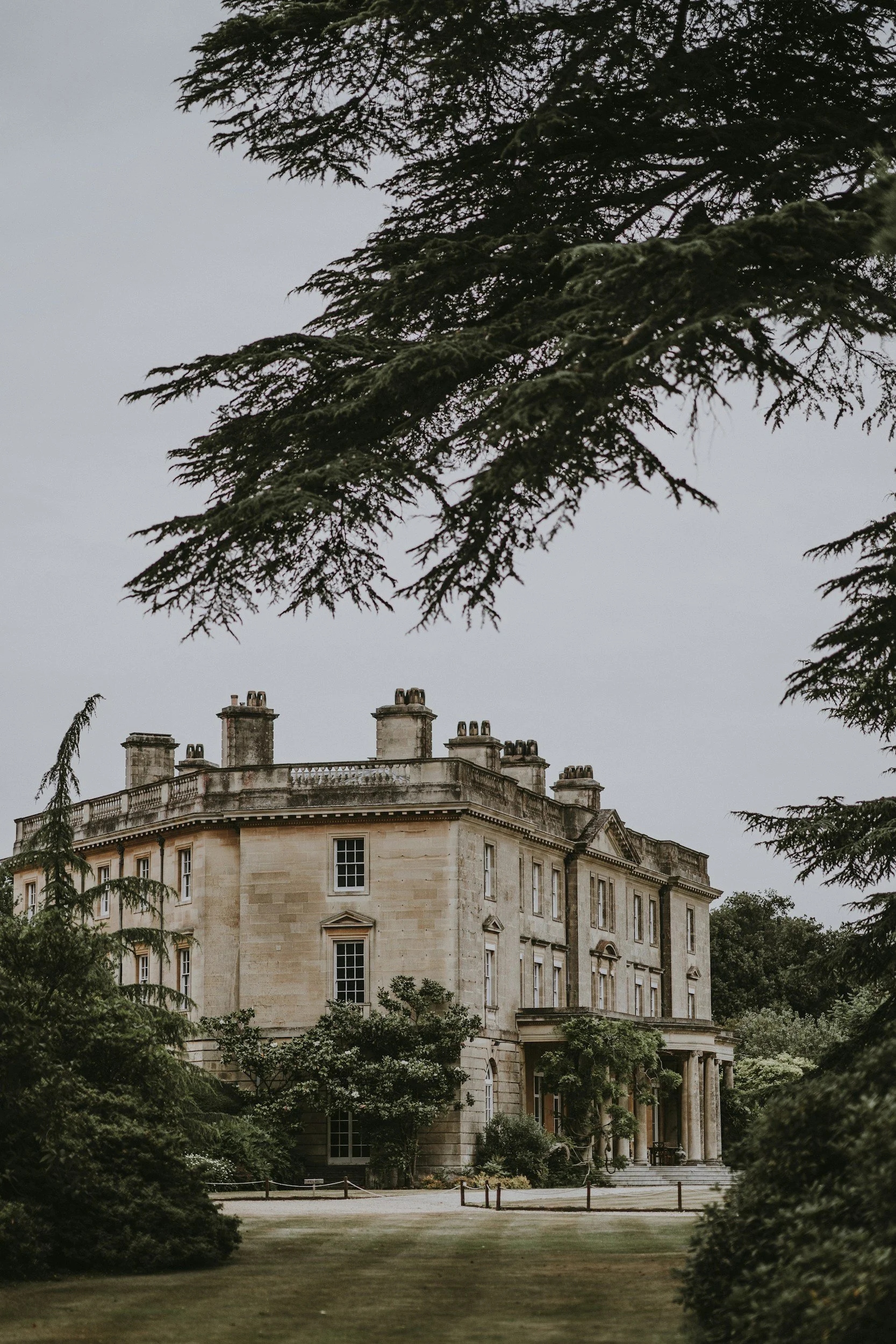
Kimberworth Park
by Tom Branfoot
hymned into Mercia
by Cyneburg
whose word we’re in
hill village
Domesdayed as Chiberwuuorde
omitting an n
did they mishear the thane
or was laying waste
to names
another form of harrying
heritage at risk
of disappearance
the ancient packhorse route to Kimberworth
passed by Masborough and Holmes
through Psalters Lane
supplying the Cheshire salt trade
before the manor the hall the park
motte-and-bailey
opus earthwork
shadowing villeins
harried down
from six to two cultivated carucates
a dour end to the eleventh
wrenched
from faerie soup
marigolds & primrose
Idonea reigned
over the manor
aged nine
when it was all animal
& hill
from Morkisburg
to Kirkstead Abbey Grange
Idonea emparked
for hunting
accused 1292 of constructing
a saltatorium
irreversible snare
to populate
deer parks low palisade
dropping
to a ditch
cruelty reserved
for crown
charged only for being
too close
towards the forest
of the king
to the damage
of our lord
walking back through the manor
a marigold at risk
of rain-ruin
SUV
muck-hole parked
stickered
with whelping fox
mouth skied
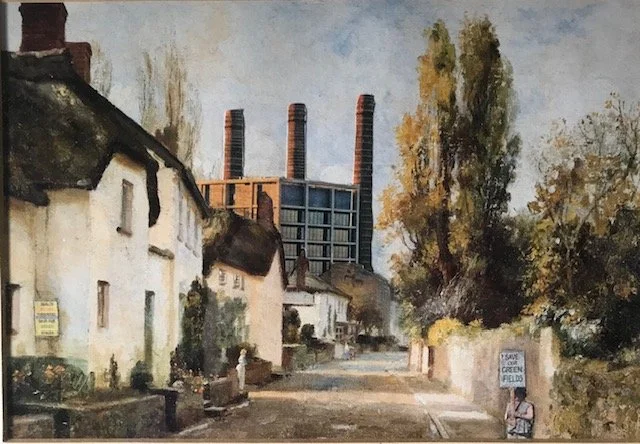
Urban Collage
by Tim Boardman
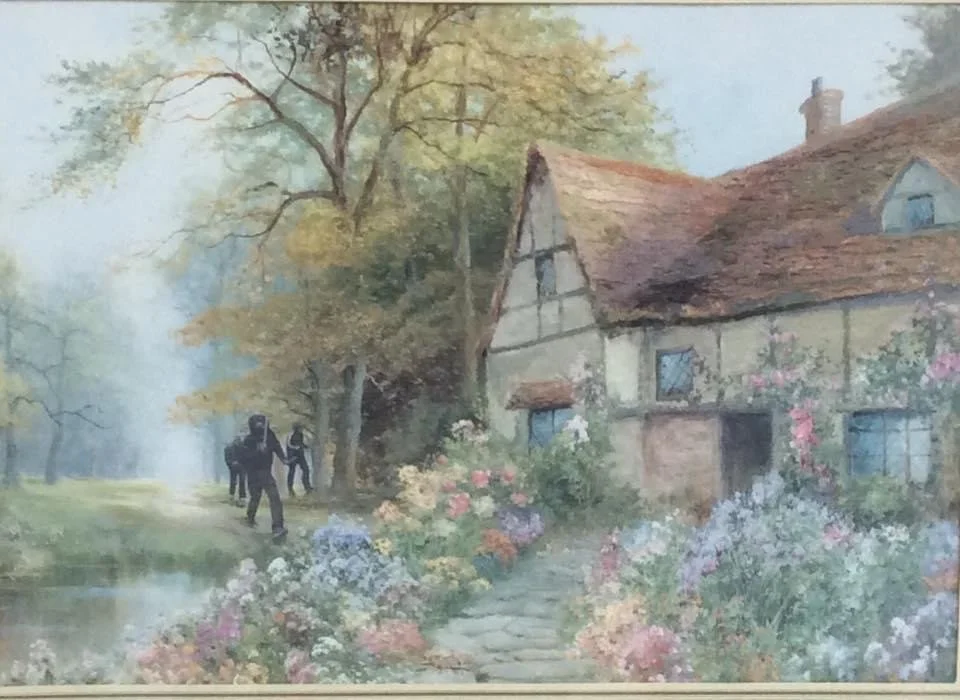
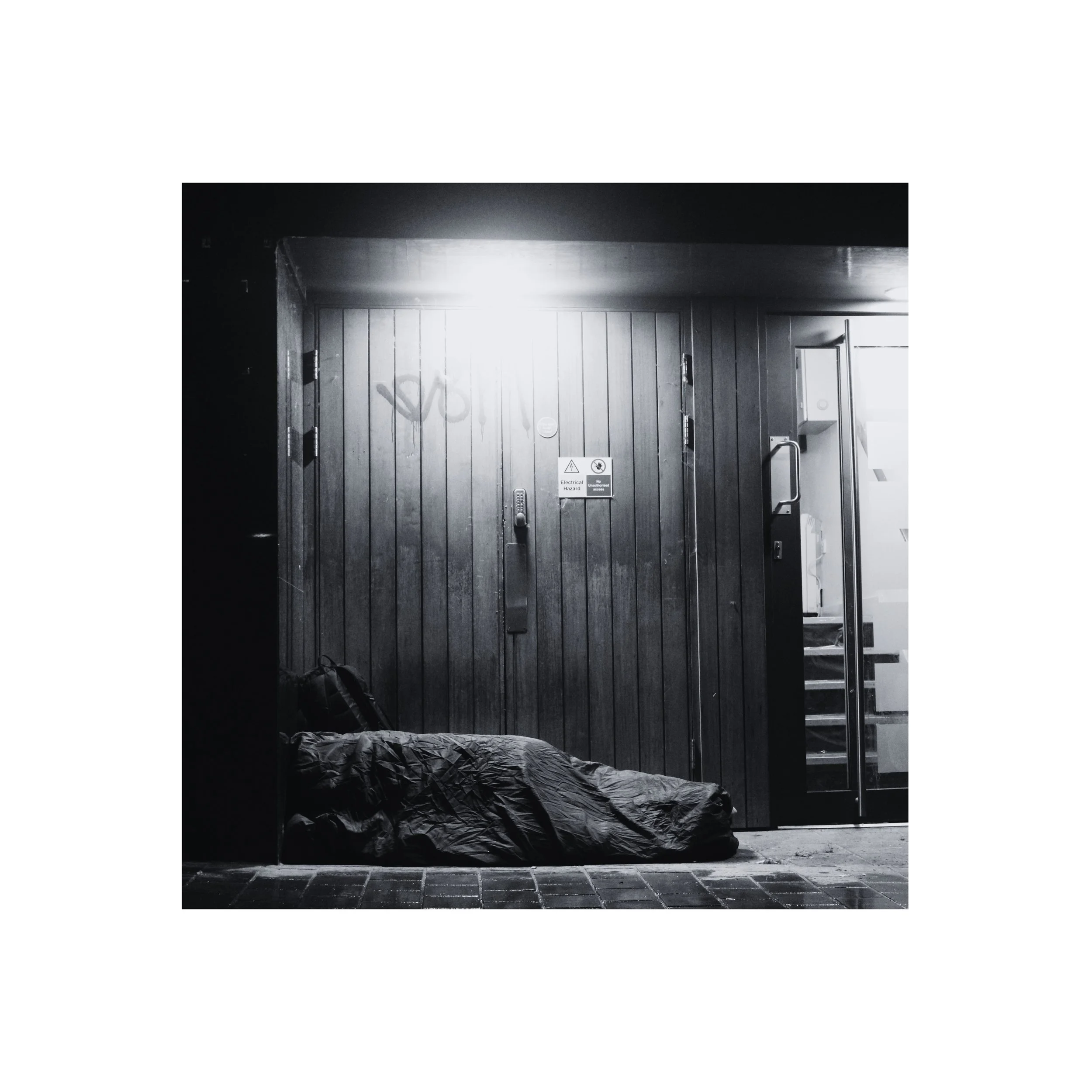
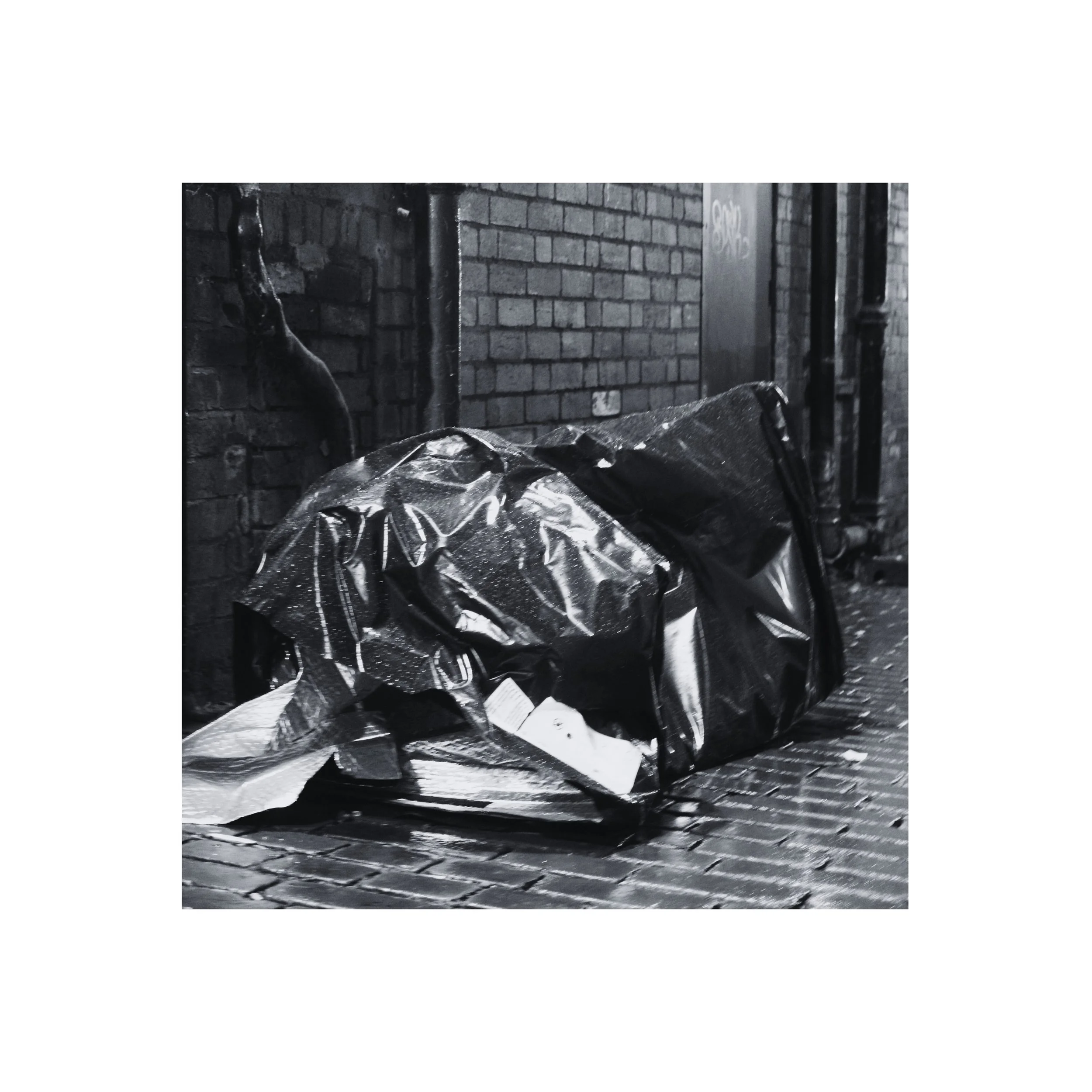
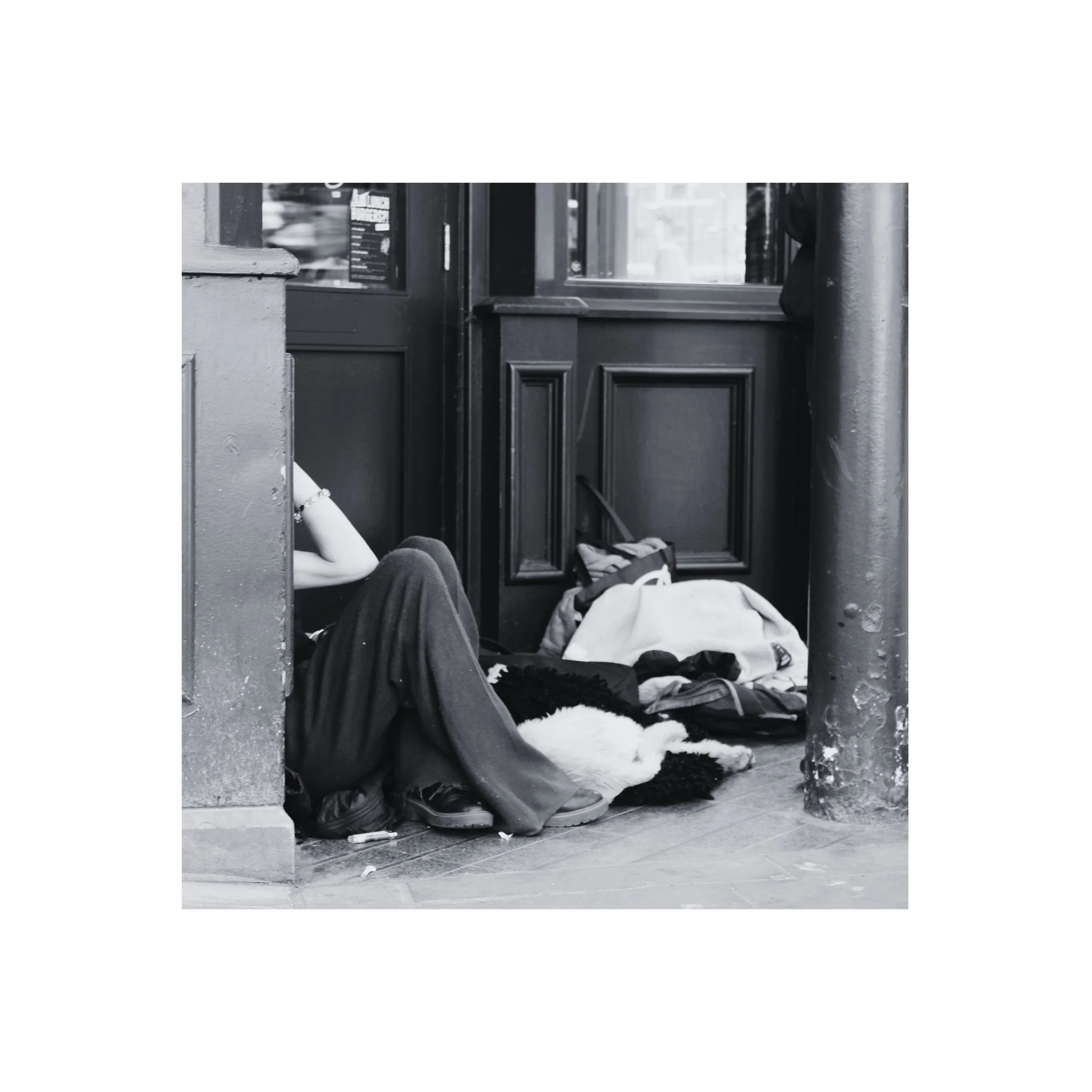
Rough Sleepers
by Zainab Abdeslem
CITY IN YOUR BONES
by Tom Priestley
All your dear friends are getting older
Everyone you know holds something back
They tiptoe through the empty chambers
Then hideaway when faced with the attack
You tell yourself that it's easy to forget
All those little lies and mindless threats
That you whispered with hushed tones
This city gets in your bones
You can't forget the moments on the corner
The blood and vomit stains on the pavement of youth
You cross the street to find another replacement
And not a single sign of truth
You tell yourself you are part of the wind
The bricks in the wall and the overfilled bins
The nightly song drones
This city gets in your bones
All your exploits are posted week after week
Every little gesture, every turn of the cheek
From your acts of love and bad behaviour
Delivered to the prophets and damaged betrayers
You tell yourself the city loves you so
And you will regret the day you have to go
With all your nerves set like stone
This city gets in your bones
All those familiar faces just shadows of the past
Everyone you know just a fixture of the times
With a dead rose from the broken saviour
And a box of matches for the one that rhymes
Travel far and wide just to escape the stink
From the street that nags and won't let you think
In the dim lighted zone
This city gets in your bones
City Skeletons
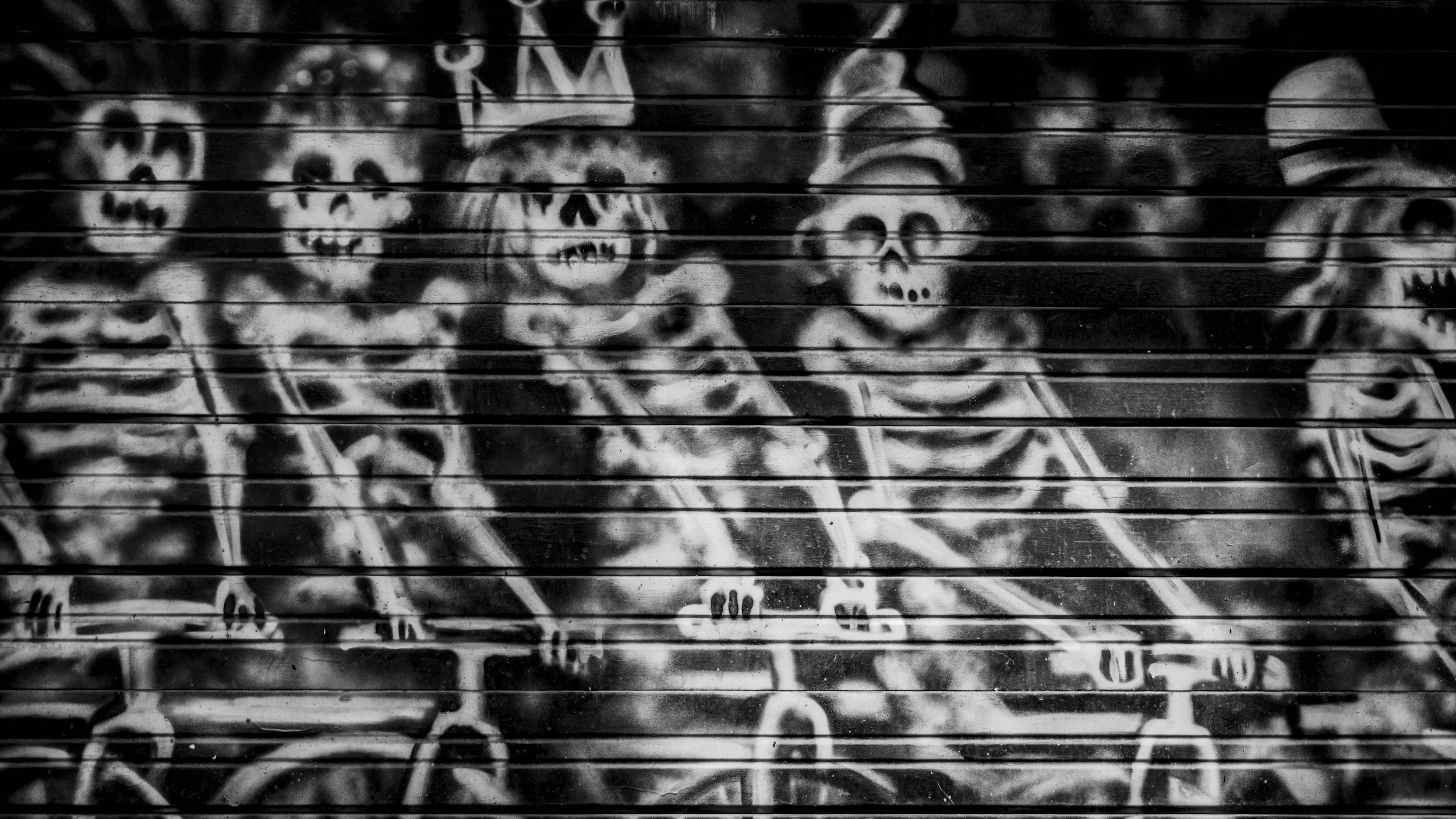
by Sophie Masters
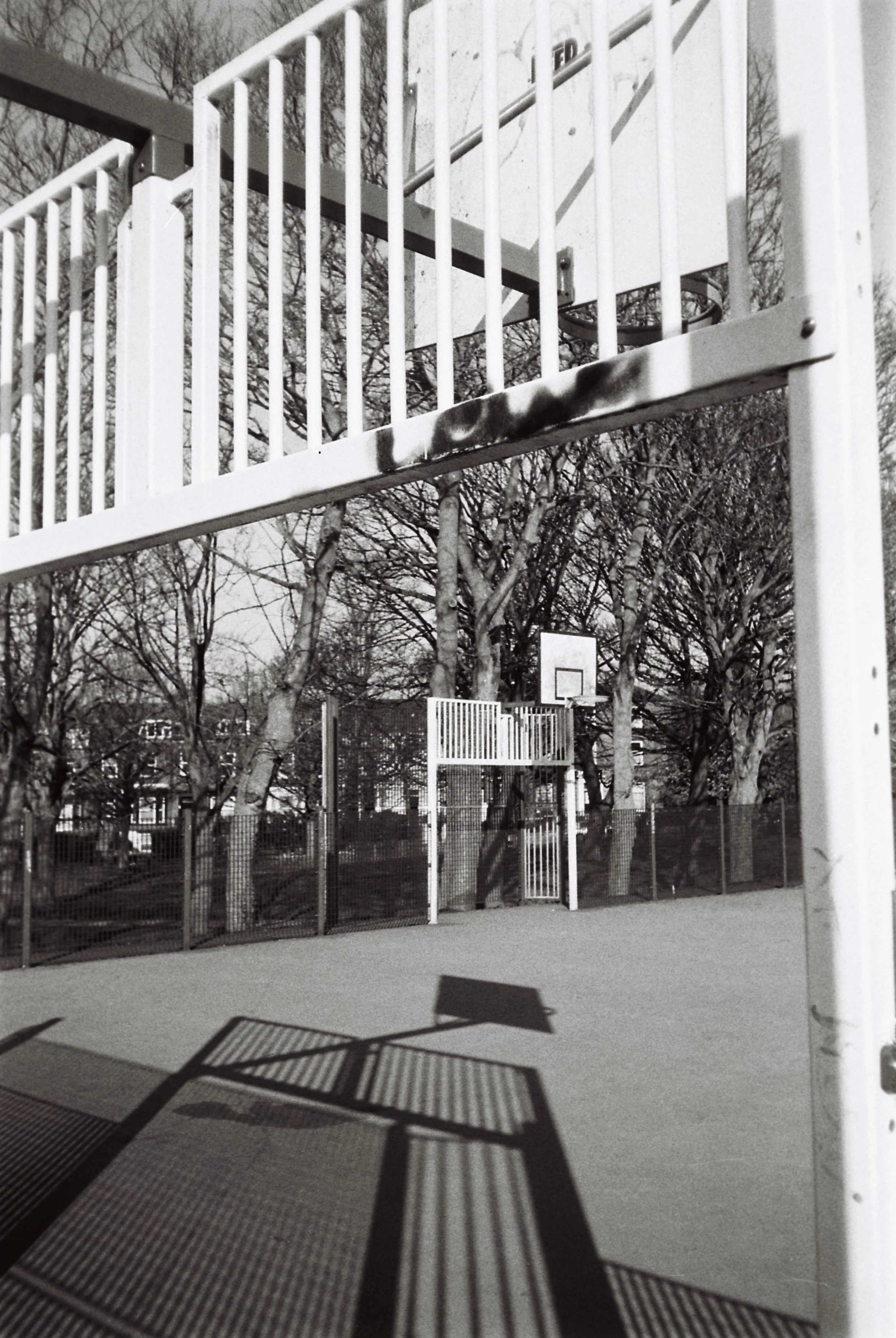
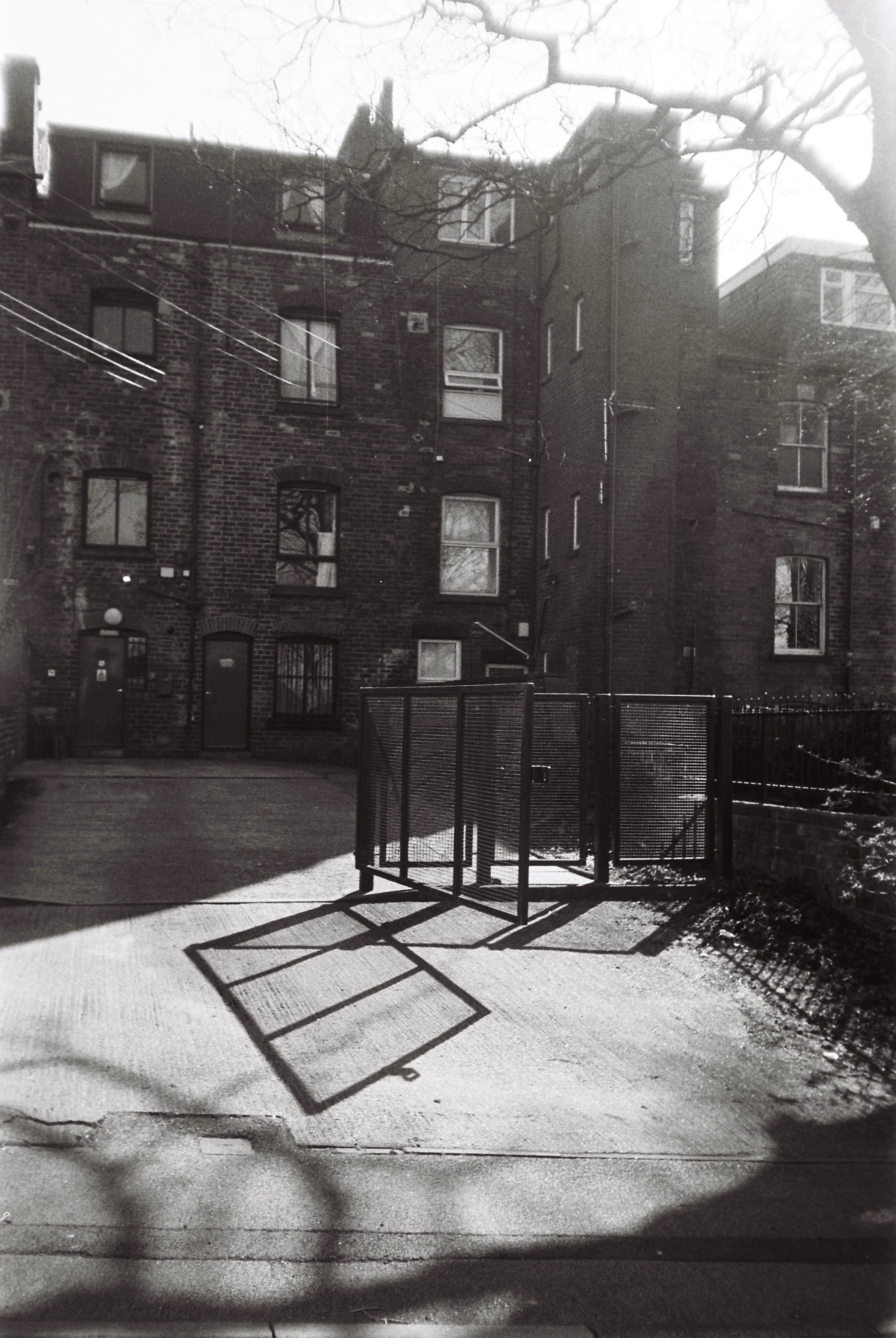
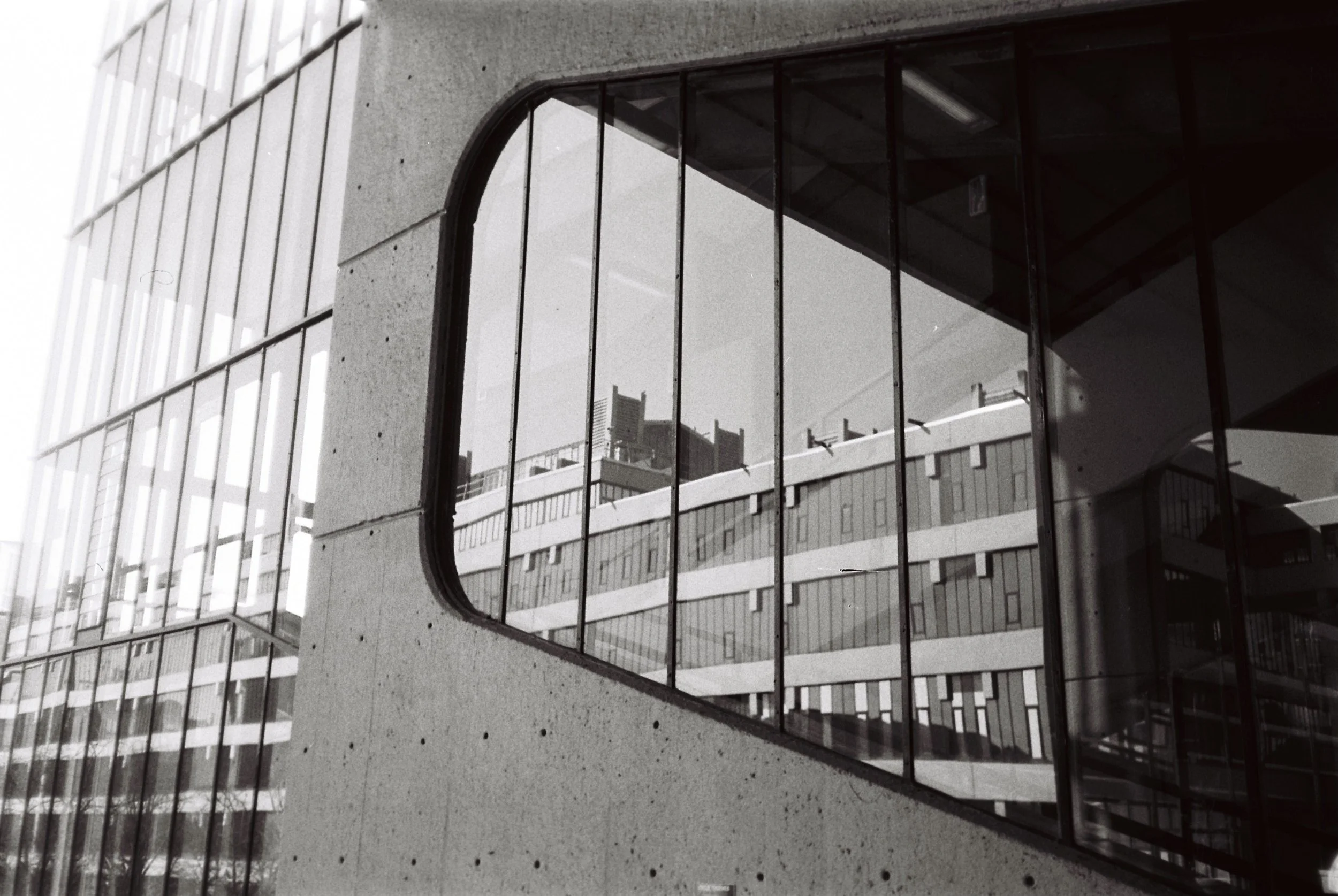
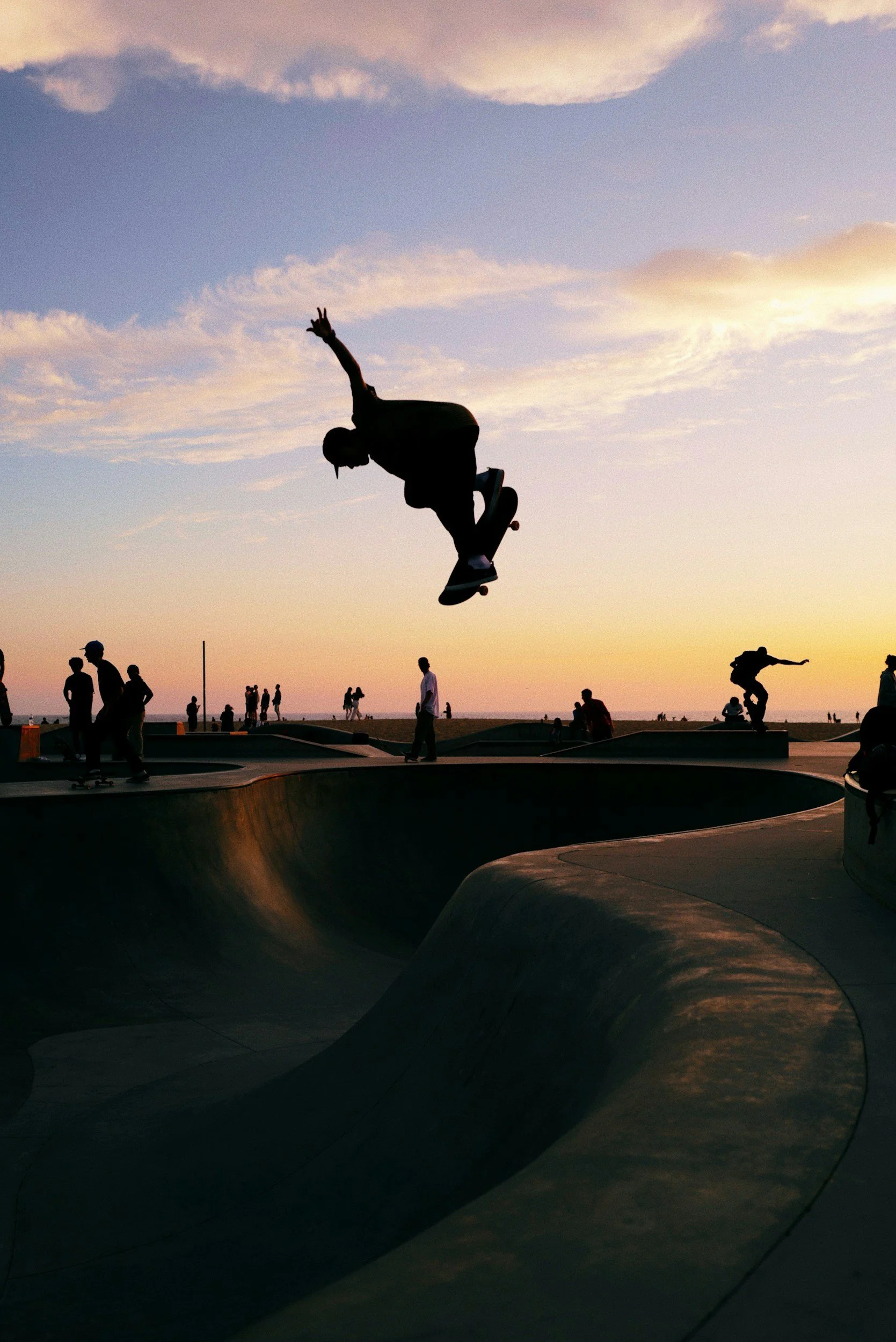
South Parkway Approach, Seacroft
by Jaimes Lewis Moran
I was nineteen, just purchased my first longboard. The cost, a pricey sixty pounds.
I remember E.M.A. a weekly grant, disposable income,
Freedom to buy transport, those wheeled forms of fun.
South Parkway Approach: On each side, old oak and willow trees,
Grass verges and playing fields. Below an iron fence,
There lies The Beck and its splashing water waste.
I was nineteen skating up and down South Parkway Approach,
Burning calories, stimming away to counteract my Insomnia.
My longboard with its flint kicktail creates sparks.
I attempt to footbrake and do manuals, quite badly.
South Parkway Approach: Crossing the road here, it’s hazardous at best,
Too many speeding cars. In the distance, a roundabout with pine cones and fruit trees.
I was Nineteen, skating to the music of Green Day and Papa Roach,
The soundtrack to lone zooming sessions late at night,
Trying to learn the basics or at least pretend, music my personal trainer.
South Parkway Approach: There used to be a boulder cornerstone
Here with green and grey plaque that read “Welcome to Seacroft.”
South Parkway Approach, my bridge between South Seacroft and Killingbeck.
I am Nineteen no longer, yet this threshold path remains smooth as ever,
The music I love still plays in my earphones yet despite the aching knees and lower back,
Yes, I still skate, this time however with motors and electric brakes.
And South Parkway Approach, my sacred rolling runway, it still remains.
Meanwhile, the faded road markings here declare their constant warning
“Go slow. Slow down.”
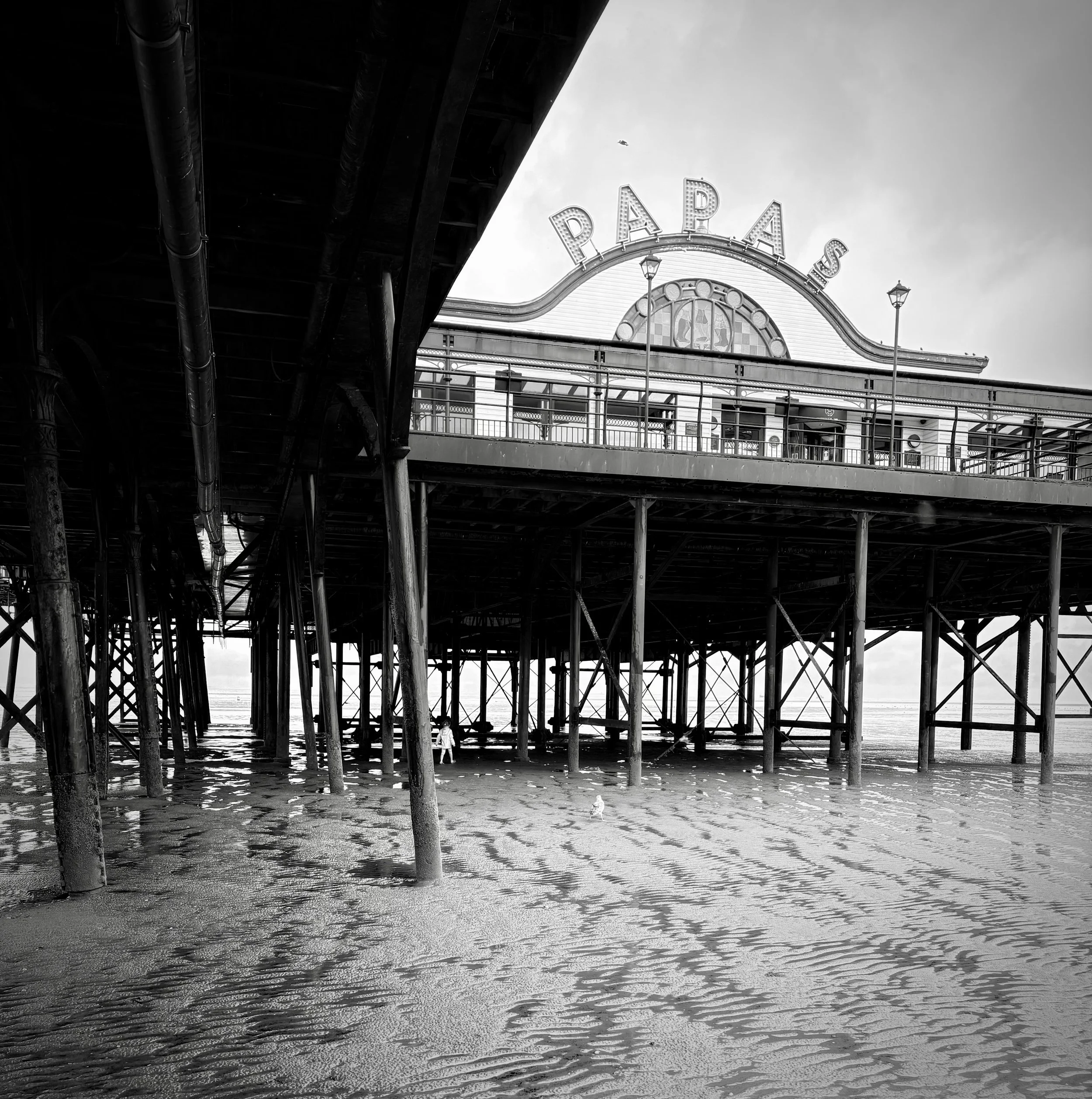
Cleethorpes
by Dawn Kirby
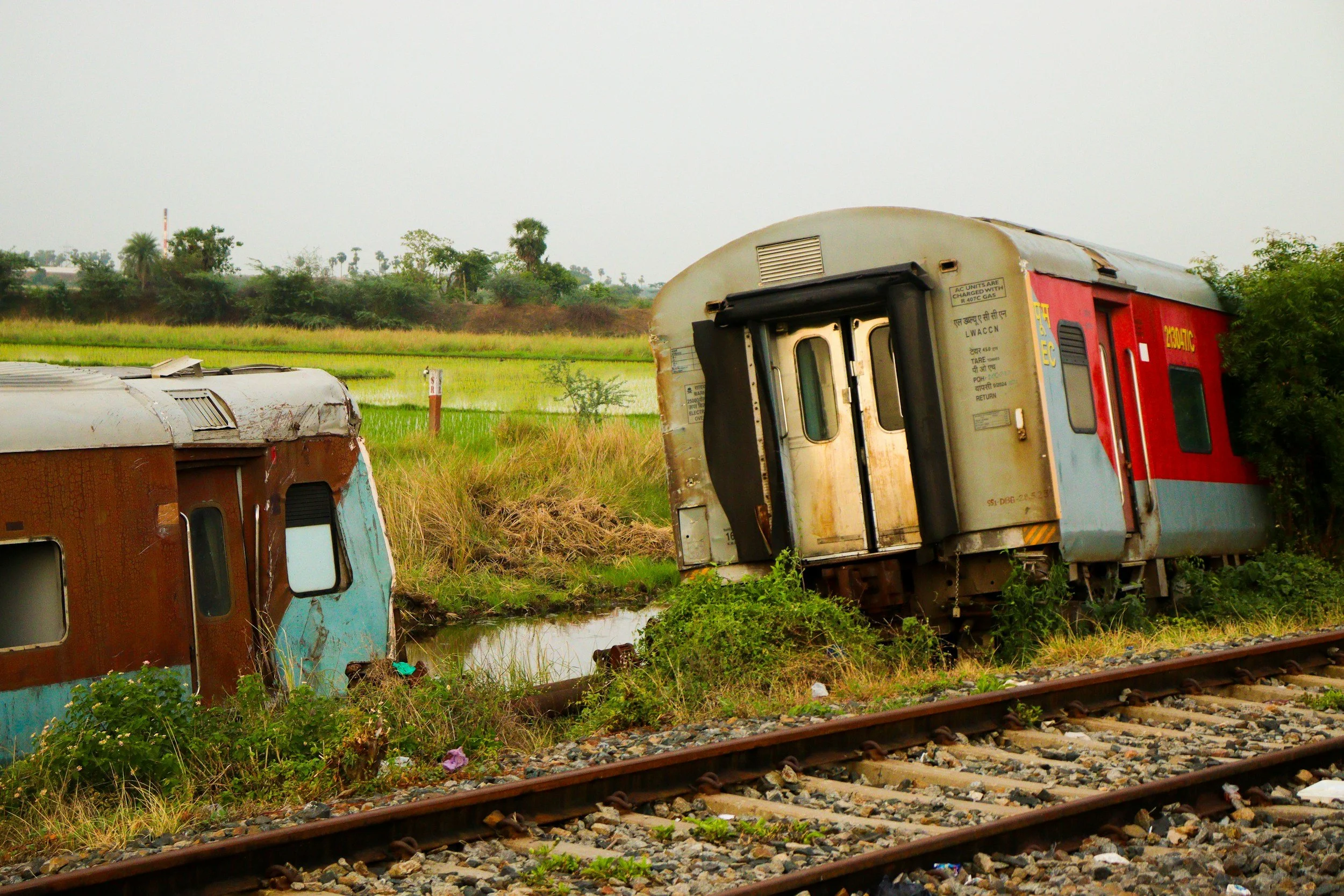
We Apologise For Any Inconvenience
by Joe Spivey
Attention all passengers.
The train departing from Poverty
will no longer be calling at platforms
Security, Stability, or Affordable Housing.
Passengers for these stops
are advised to board services to
Master's Degree Junction
LinkedIn Parkway
and Start-Up Central.
Alternatively, a rail replacement bus service
will be operating from
Zero-Hour Contract Crossing
Shared Accommodation Road
and Parental Support Interchange,
before terminating at Financial Insecurity Gardens.
We apologise for any inconvenience.
Attention all motorists.
The motorway out of Squalor
is currently closed between junctions
Stable Employment, Home Ownership,
and Work-Life Balance.
Drivers for these destinations are advised
to follow the diversion route via
Overtime Services, Side-Hustle Roundabout
and Bootstraps Bridge.
All additional routes have also been closed
due to ongoing networking between lanes.
We thank you for your continued patience,
and we apologise for any inconvenience.
Attention all flyers.
The 1% flight to Financial Freedom
has been indefinitely delayed.
Guests are now advised to transfer
to Venture Capital Airport, Thought Leader Terminal,
and Asset Ownership Field.
Members of our premium human rights package
are invited to wait in the Self-Optimisation Lounge,
where free champagne and Yoga are available upon arrival.
All other passengers are advised to wait
for the next available development opportunity.
We thank you for your attention,
and we apologise for any inconvenience.
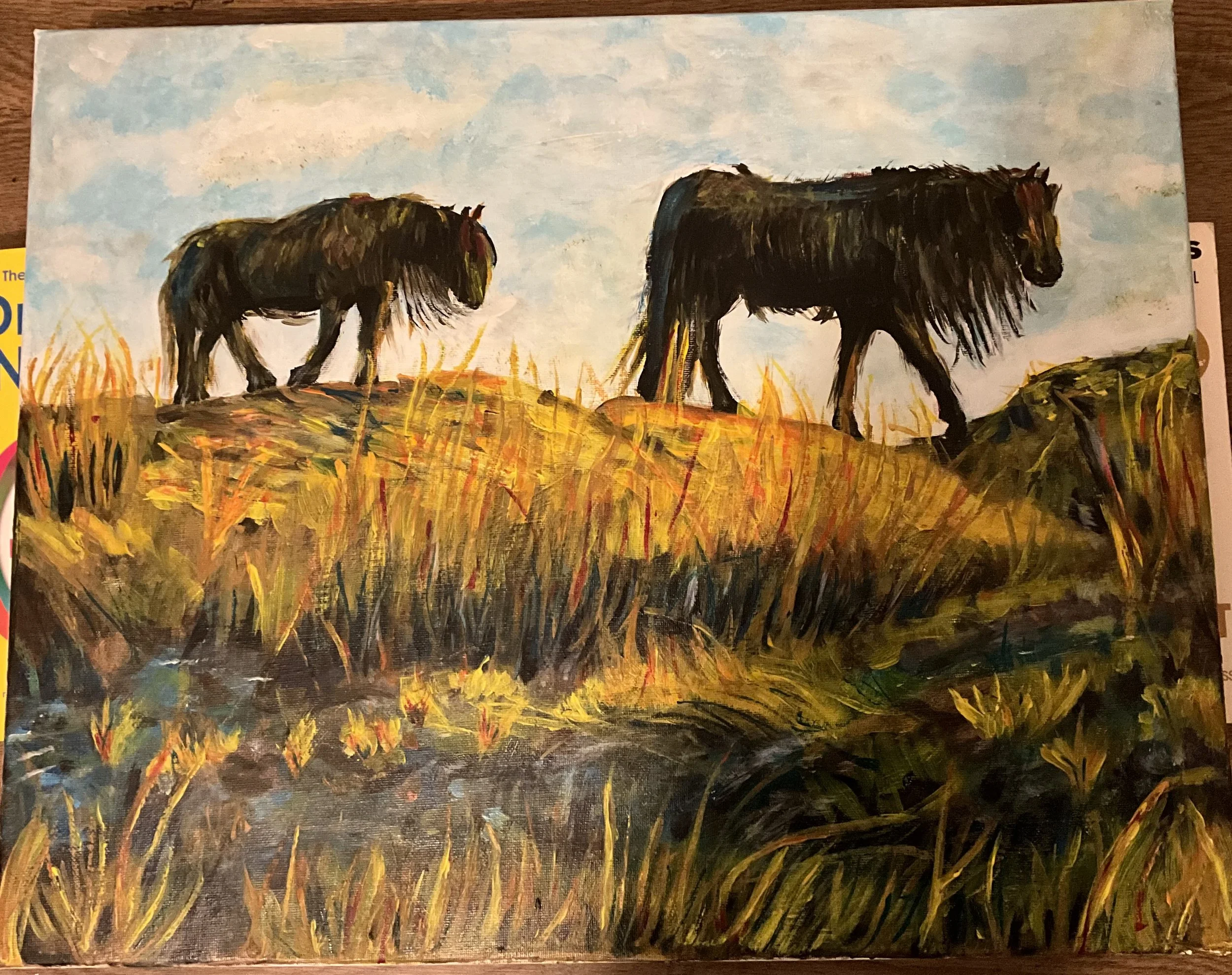
The Cotton Famine Road
by Paul Marshall
The Cotton Famine Road is a historic 1,950-yard stretch of cobbled, stone-setts path on Rooley Moor Road in Rochdale, UK, built between 1861 and 1865. It was constructed by unemployed cotton mill workers during the Lancashire Cotton Famine caused by the American Civil War. Late January I walked the road from Rochdale to Bacup and was lucky enough to stumble on two of the wild ponies and photograph them. This is the painting I did from the photograph.

Farce Official Intelligence
by Matt Tyler
Monday, 3rd June, 2126
The start of another working week in Manchester. It had come too soon. This week I had three complex cases to work, one of them quite high profile. But such is the lot of a top class lawyer. It was a career I’d chosen and worked for and with it came status. A status I enjoyed. So I got up, had a shower, dressed, ate breakfast and left the office block.
I’d arranged to meet Ab-Cynth at nine. She was a couple of years younger than me. She was also just a cleaner. Yes, ordinarily I wouldn’t want to spend time with someone like that, but there was something about her. She was cute. Interesting. In fact, despite my recent surgery I thought that maybe today we could be more than just friends. We were into each other after all. But no. The surgery was recent and I would have to wait a little while. They did call it Consum-8 for a reason.
I chose a little bar off Deansgate to meet in, a sort of class-neutral establishment where people from all walks of life congregate. Even so, I’d reserved a private booth. At the same time I’d ordered the first round of drinks before I got there. It only took six apps, one facial scan, three thumb scans and twelve passwords to do it. When I was a kid it would have taken twice that many checks. At least the world was getting simpler. As was my life. I’d finally decided that I was a pansexual male.
Walking into the bar, I caught sight of Ab-Cynth immediately. We went to the booth where the drinks were waiting for us. So we began to imbibe and talked about many things.
Ab-Cynth had had four pints and twelve shots by the time I got the notification on my phone. I’d only had six pints. I do have a work ethic after all. I read the notification and breathed a sigh of relief: I’d won my first case. Damn, I was good at my job. A celebration was in order so I ordered some champagne.
Five hours later I walked Ab-Cynth home. It was dark so it was unlikely anyone would see who I was fraternising with. She lived in Costa-Space in the old Arndale Centre. Such is the life of a cleaner I suppose. Apparently she’d had a busy day.
Dropping her off, I walked to my apartment in the old Deansgate 9 office block. People used to work in these places apparently. How claustrophobic. How restricting. Honestly I don’t know how they coped. Ah well, I didn’t have time to wonder about that. I still had two cases to deal with that week. I needed a good night’s sleep and no one would stop me getting one.
Tuesday, 4th June, 2126
“But it’s not fair!” said Ab-Cynth. “I paid for those tickets and they say I won’t get the money back!”
Back in our usual spot, Ab-Cynth’s mood was far worse than it had been the day before. She’d been looking forward to a concert in the Corn Exchange. A new wave grunge band called the Dung Beatles had been taking the world by storm. Ab-Cynth was their biggest fan I knew of. She’d saved up for weeks to get some tickets for their upcoming concert in Manchester, but now, because the Corn Exchange had been declared an unsafe venue, they had had to cancel.
“You’re a lawyer, Les”, she said, focusing her eyes on me. “Aren’t I entitled to my money back?”
“Ping me the notification”, I said, nervously.
She continued speaking as she did just that. “They said that because the venue was declared unsafe, that the contract is ‘frustrated’. Do you know what that means?”
I thought for a moment. “I’ve probably got it somewhere in my phone. Listen I can run it by my Bot later. Let’s get another drink”.
“Is that all you care about? Another drink? Don’t you care about me at all?”
I held her trembling hands. “Of course I care. It’s just that…”
“That I’m a cleaner? That a high class lawyer like you shouldn’t be seen with an urchin like me? Is that it?”
“Of course not. But there are norms in society, we can’t ignore them”.
“I don’t get why you’re paid so much more than me anyway”.
“Come on, Cynth”, I said. “I’m a lawyer, you’re a cleaner. That’s always been the way”.
“But it isn’t even us who do the work any more. My AI Bot does all my cleaning, your AI Bot does all your lawyer work. As long as we’re in this bar together, we’re doing exactly the same thing, so why do you get paid ten times more than what I earn?”
“There have to be rules, Cynth. Otherwise society would crumble”.
“But rules that benefit you?”
“Yes, they benefit me”.
She took in a deep breath. “You know, before the Slowvid Parademic, AI Bots only helped people do their work. They didn’t do their work for them”.
It was true of course. I was only a young boy when the Slowvid Parademic struck. Whilst the mortality rate was less than one percent, it slowed people’s neural pathway functions down so much that they couldn’t operate as they had before. The recovery rate took so long that the decision was made to modify their AI Bots that only used to assist them to perform their whole jobs for them. Ever since then, people were so worried about the Parademic returning that they maintained the new status quo that had been established.
“We need a revolution”, she went on. “People should be paid for what they actually do, not what their AI Bot does”.
“But how would that work?” I asked. “If something like that happened, all of society would need to be restructured. How do we know that things would get better and not worse?”
“You think they’re good now?”
“We’re here aren’t we? In this bar? Together? Look, Cynth, I know the world isn’t always fair, but when you have a tolerable standard of living, even if you know it’s not perfect, it’s best to embrace it”.
She nodded slowly. I don’t know where I’d suddenly got my philosophical insight from, possibly from the eight pints of Guinness I’d just had. Anyway, it gave me a lot to think about on the way back to the office that night.
Wednesday, 5th June, 2126
“Les are you okay?”
I was trembling.
“Les, please say something”.
Being as tall as I am always made my body language betray my feelings.
“Les!” cried Ab-Cynth.
I stood, shaking in the bar. How could I tell her? How could I tell any one?
“What’s happened?” she said.
“My, my AI Bot”, I stammered. “It’s caught a virus. It’s not working any more”.
Ab-Cynth’s mouth dropped open. “But that never happens. I mean, it does happen, but only in one in a billion units”.
“One in six billion, actually”, I mumbled. I slowly shook my head. “That’s it. I’m not a lawyer any more. Twenty-six years old and my life’s already over! Just two days ago I won a case. Now I’m just a cleaner!”
“A cleaner?” said Ab-Cynth. “A cleaner like me?”
“It was the only AI Bot they could give me at such short notice. I’m going to a legal advisor tomorrow, maybe they’ll be able to help. But I need to get out of my apartment”.
“Hey, you may end up in Arndale like me”.
“I have. I’m going to be in GregsSpace”.
“GregsSpace?”
“Yeah, you know it?
“At the end of a long corridor, opposite PrintworksSpace. Although…”
“Although what?”
“There are a few people sleeping in flats built into the corridor now. There’s also quite a few people with loud dogs”.
I was shocked. “But they can’t do this to me! I worked really hard for what I got. That AI Bot, why did it have to be mine that broke”.
Ab-Cynth stifled a small smile. “At least you still have me”.
Immediately I bolted from the bar. I couldn’t live like this. Yes, Ab-Cynth was cute and I got on with her really well. All my life I was happy to associate with people with a broken wing, but now I was the one with the broken wing.
I used to be someone. In the society I was born into, I was a great fit. But all machines chew some people up and spit them out the other end.
Now I was one of those people.
All my new AI Bot could do was clean.
All my days I’d spend in the bar with Cynth, knowing I’d been dragged down to her level.
Maybe a revolution would be a good thing after all.
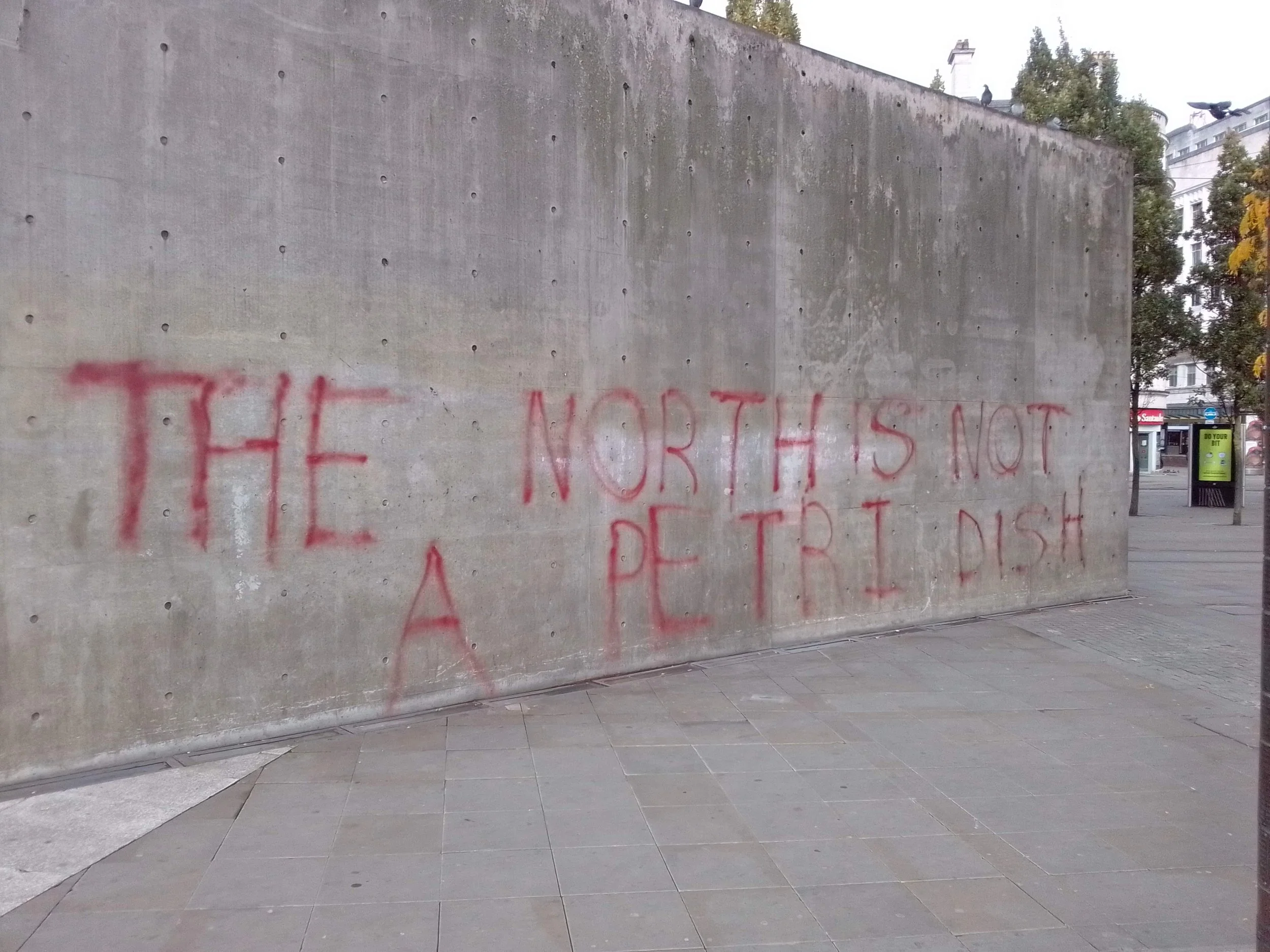
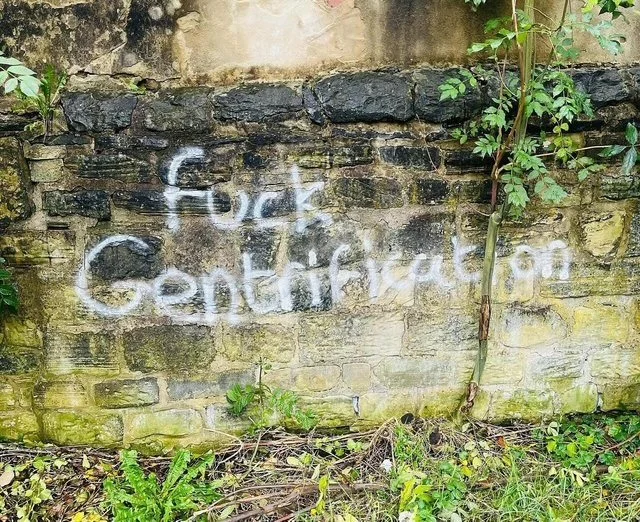
The North Is Not
by Roisin Weintraub Ox
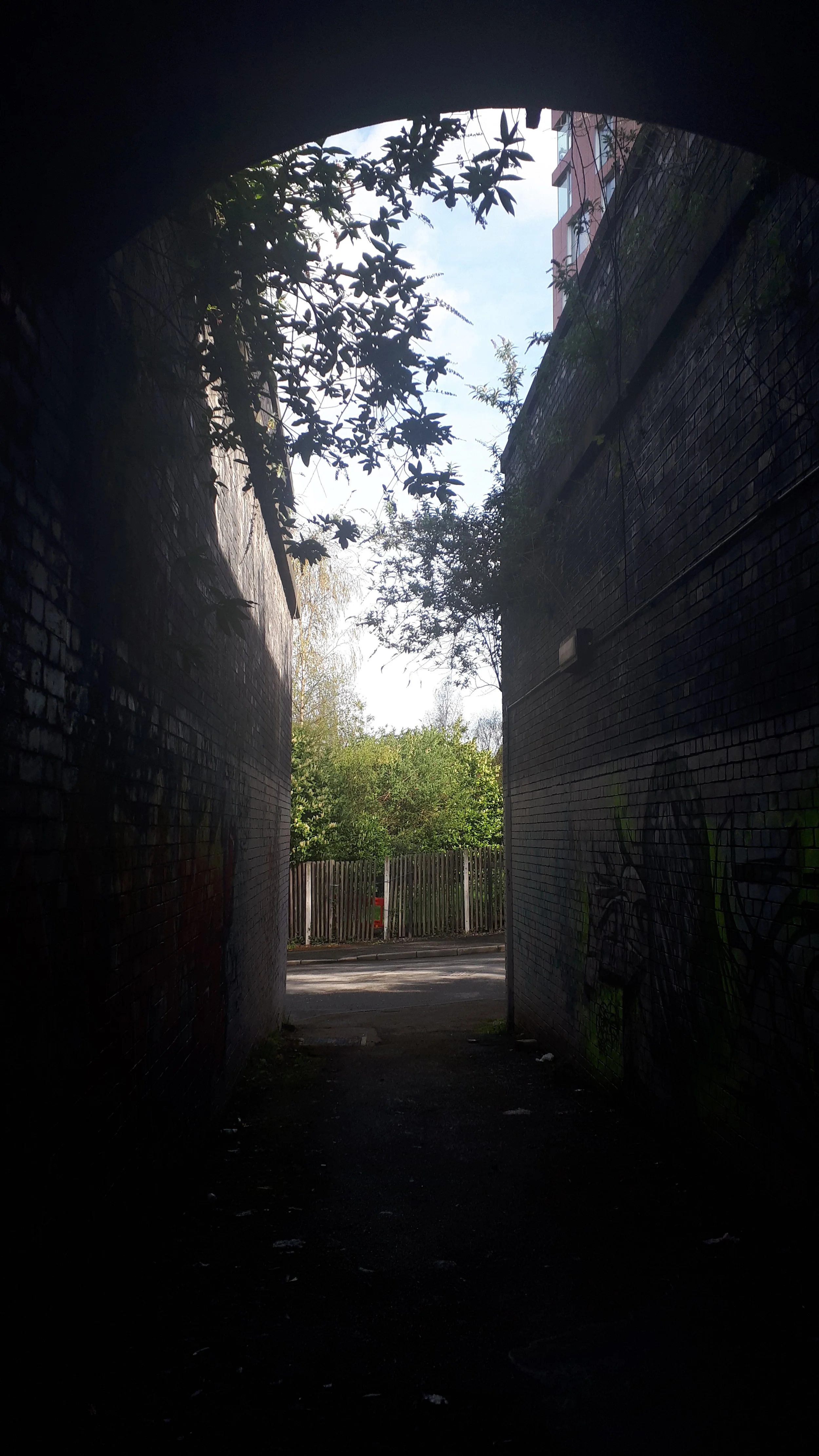
Stonewall
by Tim Boardman
I Hate The Job Centre Plus Building
by Logan Harris
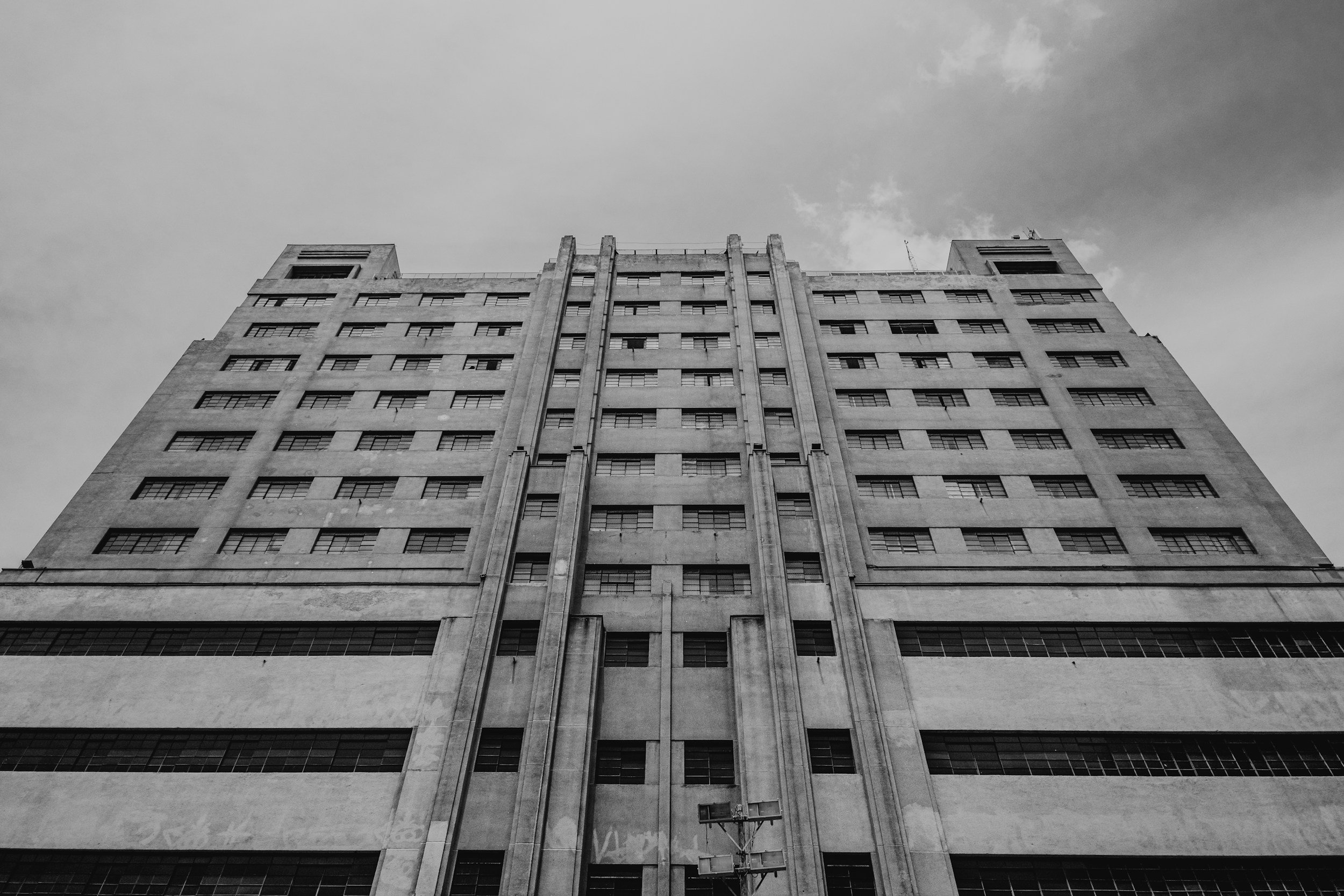
Is it possible that a building can drain your soul - making you feel depleted and hopeless? For me it’s the Job Centre Plus building where I have to go to claim my benefits. The building itself is some endless mess of beige rooms, grey chairs and black laptops and desktops. Just how when I walk there, I see hostile architecture so unhoused people won’t want to sleep on it – I wonder if the Job Centre Plus is deliberately hostile to turn people off claiming benefits.
As I write this in September 2026, The TaxPayers’ Alliance found that one in five working age adults in England and Wales were claiming Universal Credit and universities are starting to recommend students go on Universal Credit upon graduating and not be ashamed to do so. I am one of the university graduates of working age claiming Universal Credit.
My Job Centre plus building is located in the financial district. As you head in there are lawyers and bankers in suits and high heels discussing fine dining and cases, I get to hear their conversations as I walk through town to my appointment – “oh an Italian restaurant would never be my first pick” one says as I walk in – I roll my eyes. I discuss in my head my budget for the month. You can tell who’s going where by their clothing: the shirts and puffer jackets versus casual clothes. I wonder if the building placement was intentional, like the powers that be want us to be inspired or jealous – look this is what you can get. The clothes, the money, the food. It works on me. The law office buildings have turnstile doors and intercoms like a secure facility whereas my job Centre plus has an automatic door like a supermarket.
I (kinda) wish I worked in an office building. I’m a stern believer in four-day work weeks and a universal basic income. The five-day work week would suck, being tired when I get home would suck, spending my weekend recharging and not living a fruitful life would suck. But the money would be nice. Not having to go into the Job Centre Plus building would be nice.
There’s so much I want to do: things to see, experiences to have, hot people to take out on dates – I need money for that though.
I know some of the guys in the finance building – they took me out to lunch once: Chinese food at a popular restaurant, they paid on their corporate cards while answering calls on their company phones.
I always say I’ll make the most of my required trips into town, I’ll visit an art gallery or a museum – get my cultural capital up and see something cool. Although, I receive another job application rejection as I go into town. I wonder about how many companies must be ghosting me. My work coach giving me their rehearsed pity and fake encouragement. Our appointments are only 10 minutes – she sends me off to a different Centre for longer ones. It’s not her money on the line – I don’t think she really cares about me getting a job.
I’ve got a weird sense of imposter syndrome. I want money, well, I need money but benefits? Surely there’s other people that need it more. I walk past unhoused people on my walk. Yes, I need the UC to help my mum out, to not burden her with my living costs on-top of hers – but there are unhoused people man on my way there. I walk past a free Palestine protest – there are families being exterminated in a land far away, caused in part by the land I call home. Surely, they need the money more than me.
I remember years ago when I was in a different mindset: I saw a post of people claiming benefits who were on holiday in Italy. I was jealous of them – I’d never been to Italy: seeing the Italian architecture, being immersed in its urban sprawl eating cool food. There were a lot of comments talking about how they were claiming benefits and shouldn’t be able to go on holiday. But there were so many comments arguing that people on benefits still deserve to go on holiday, just because you’re on benefits it doesn’t mean that you shouldn’t be able to have a good quality of life, that you should be able to see nice things and have cool experiences. I didn’t agree with it at the time – I do now. We all deserve to cool things – I’d hate someone to be limited to the disgusting architecture of the Job Centre Plus building.
Urban Haikus
by Todd Murphy
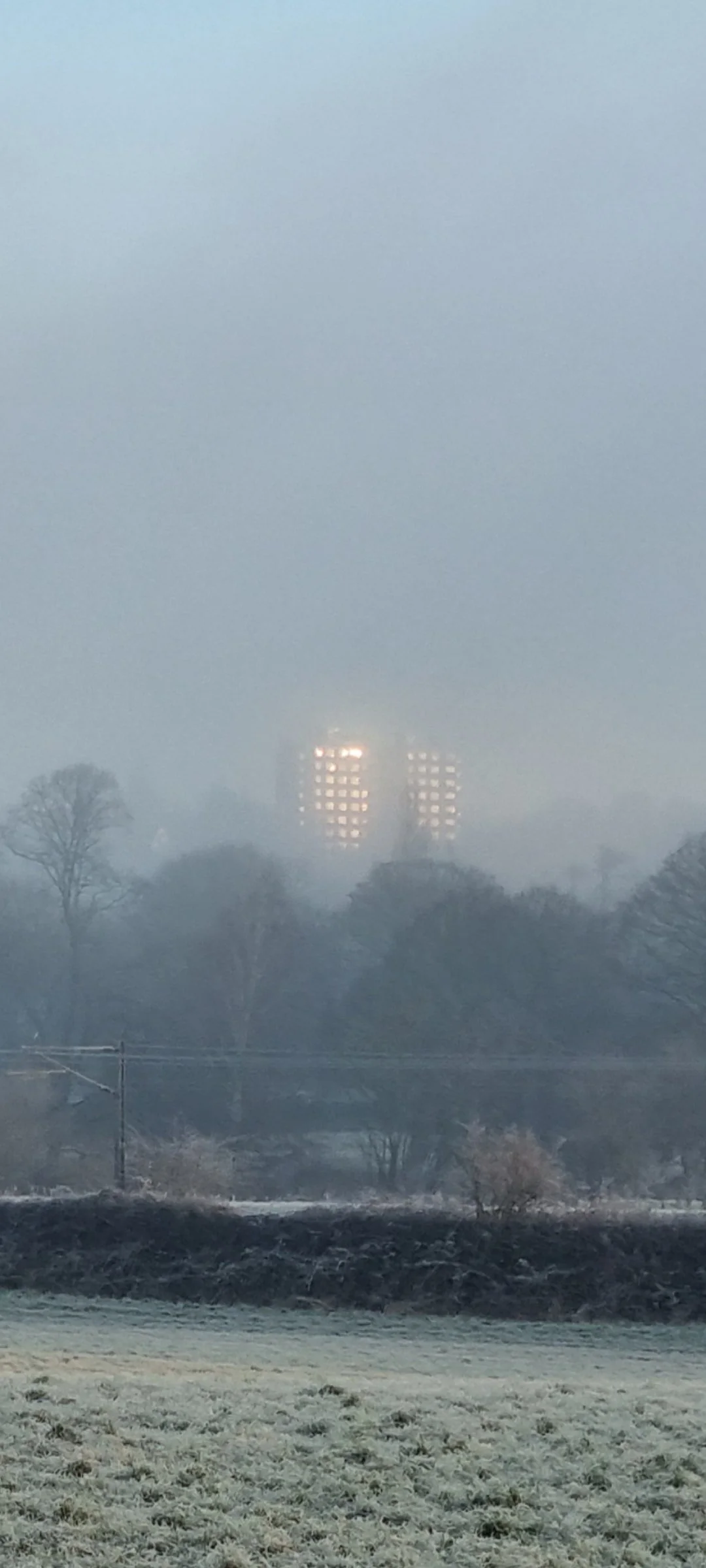
Cobbled Yorkshire streets
shining and wet - each stone is
like a foggy pearl.
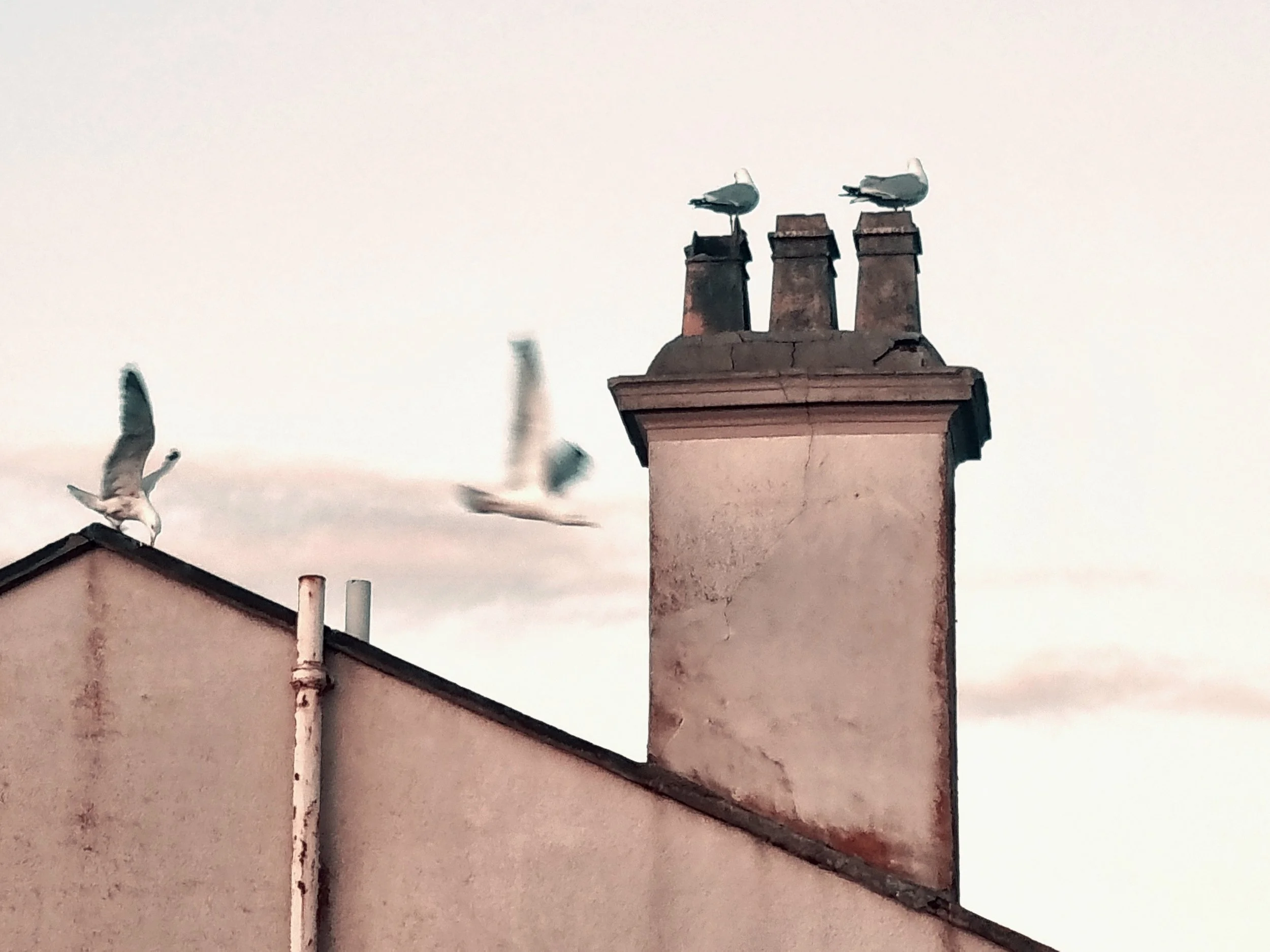
The cat (so lazy)
stretches and yawns in the shade
of a parked hatchback.
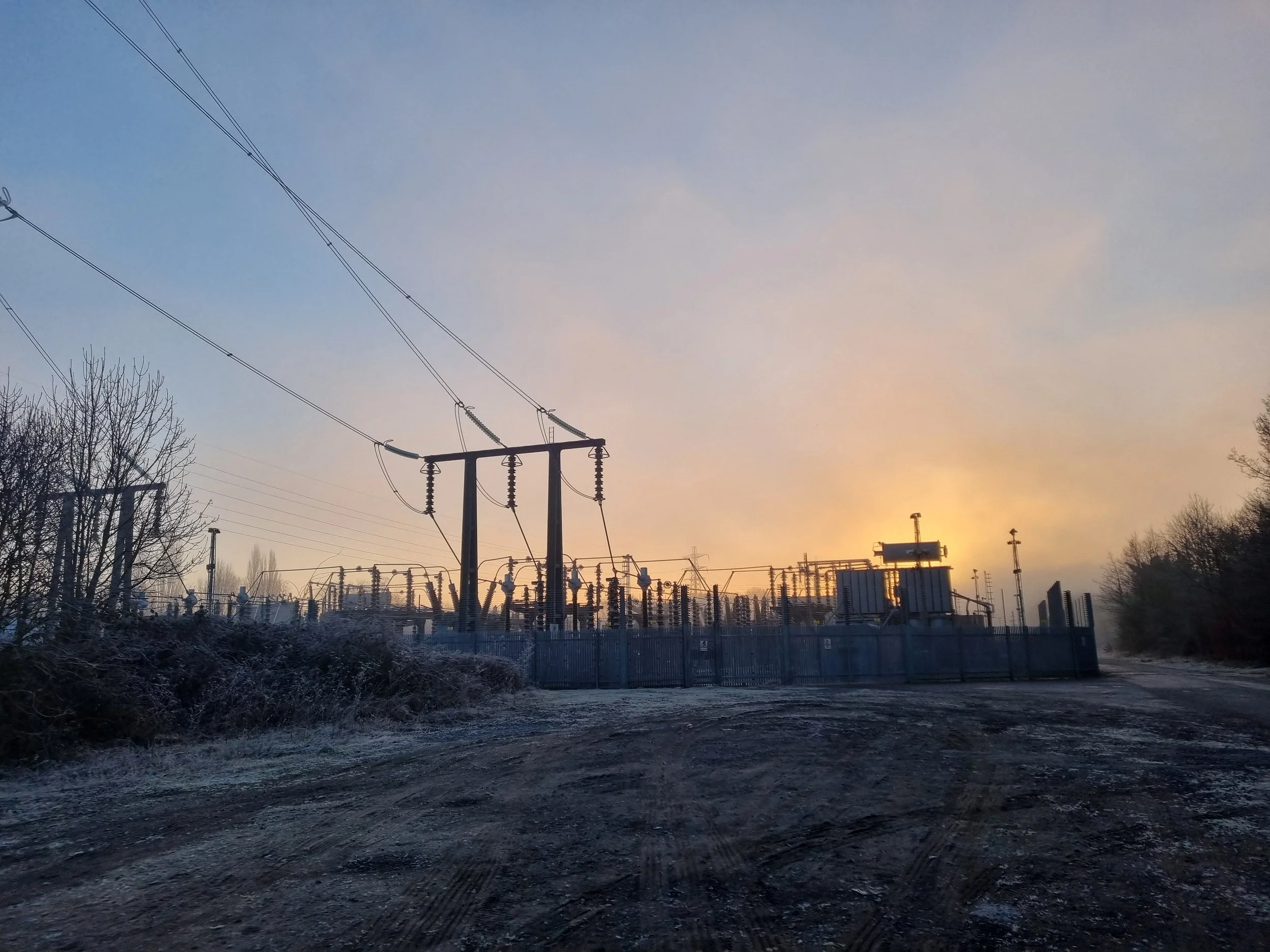
Holding her close
in the cool blue light of morning.
The curtains flapping.
New Cross
by Dick Wiggins
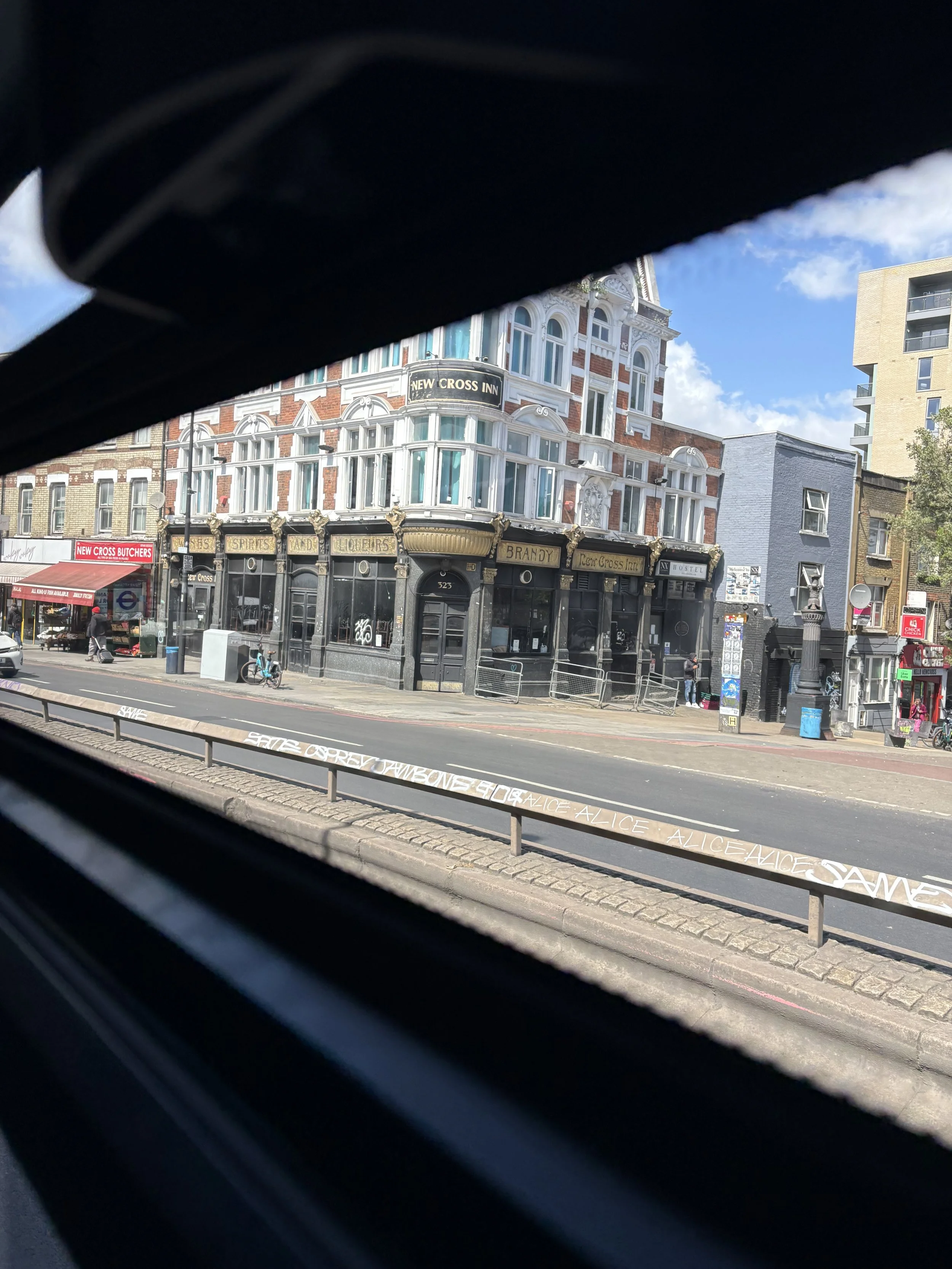
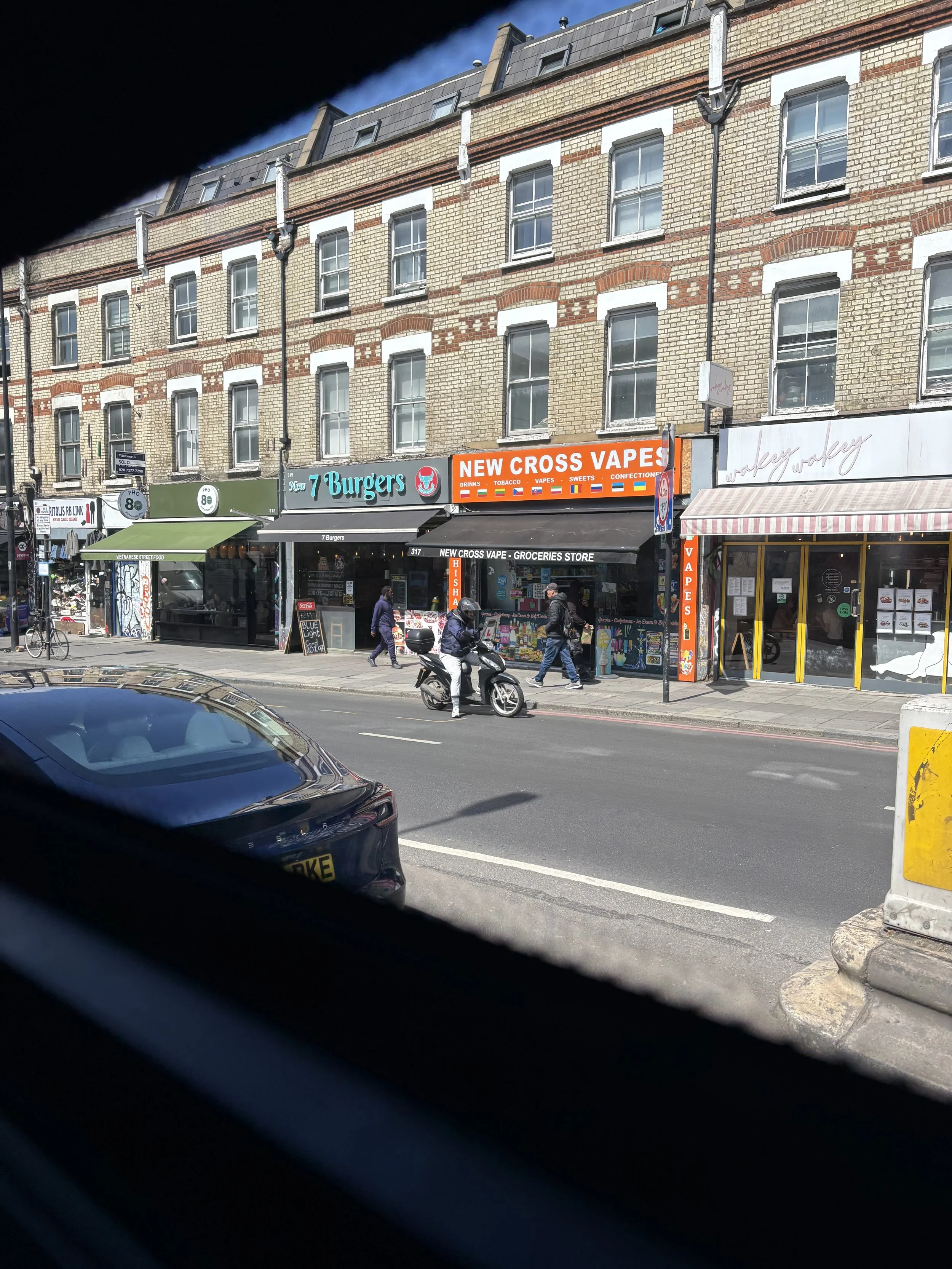
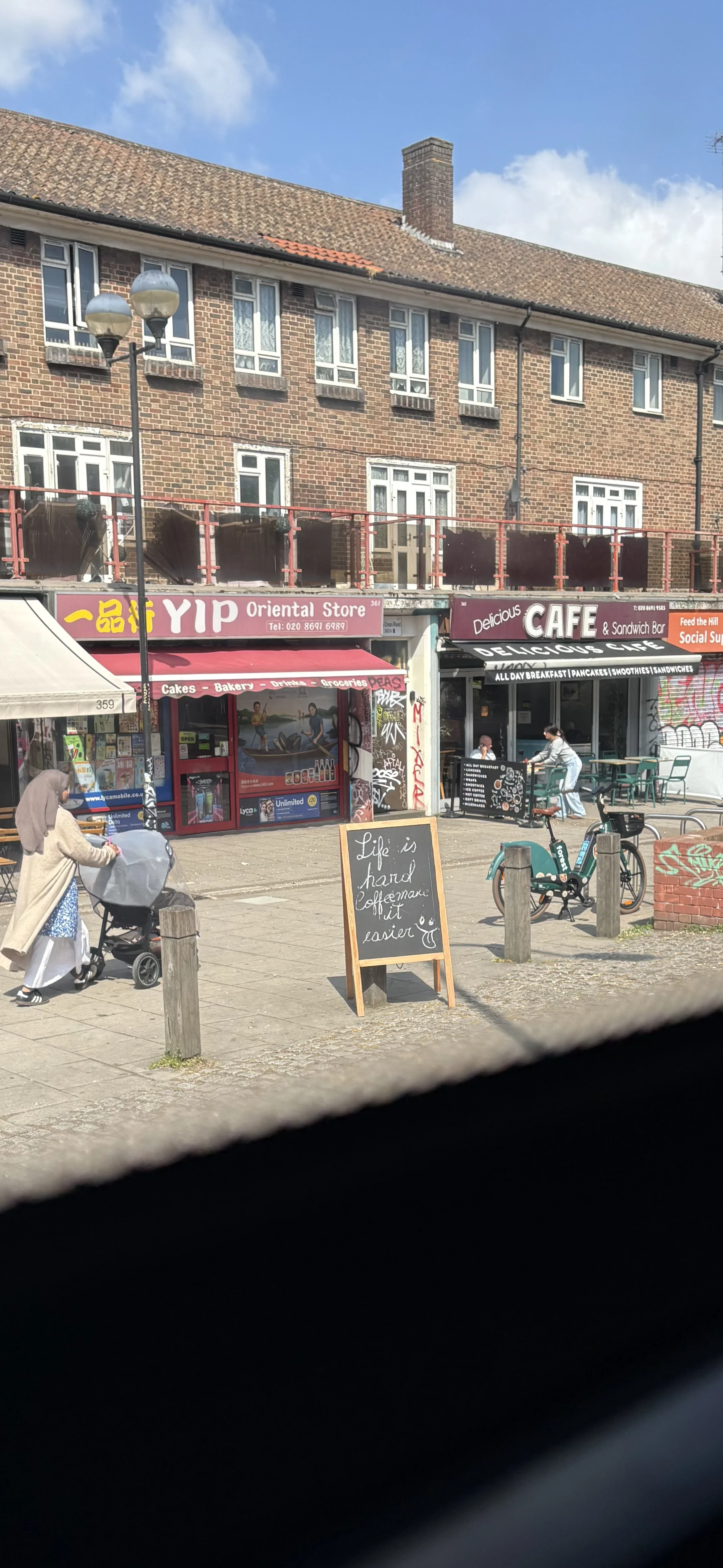
Know where you’re going down
Decades ago was the Rose and Crown
Where Fascists gathered
To stir hate. Celebrate
Turkish kebabs, exotic fruits,
Imported cloths and bespoke suits.
Tonight the ‘Kings of Oblivion’
play the New Cross Inn.
Construction Sculpture
by JJ Hunter
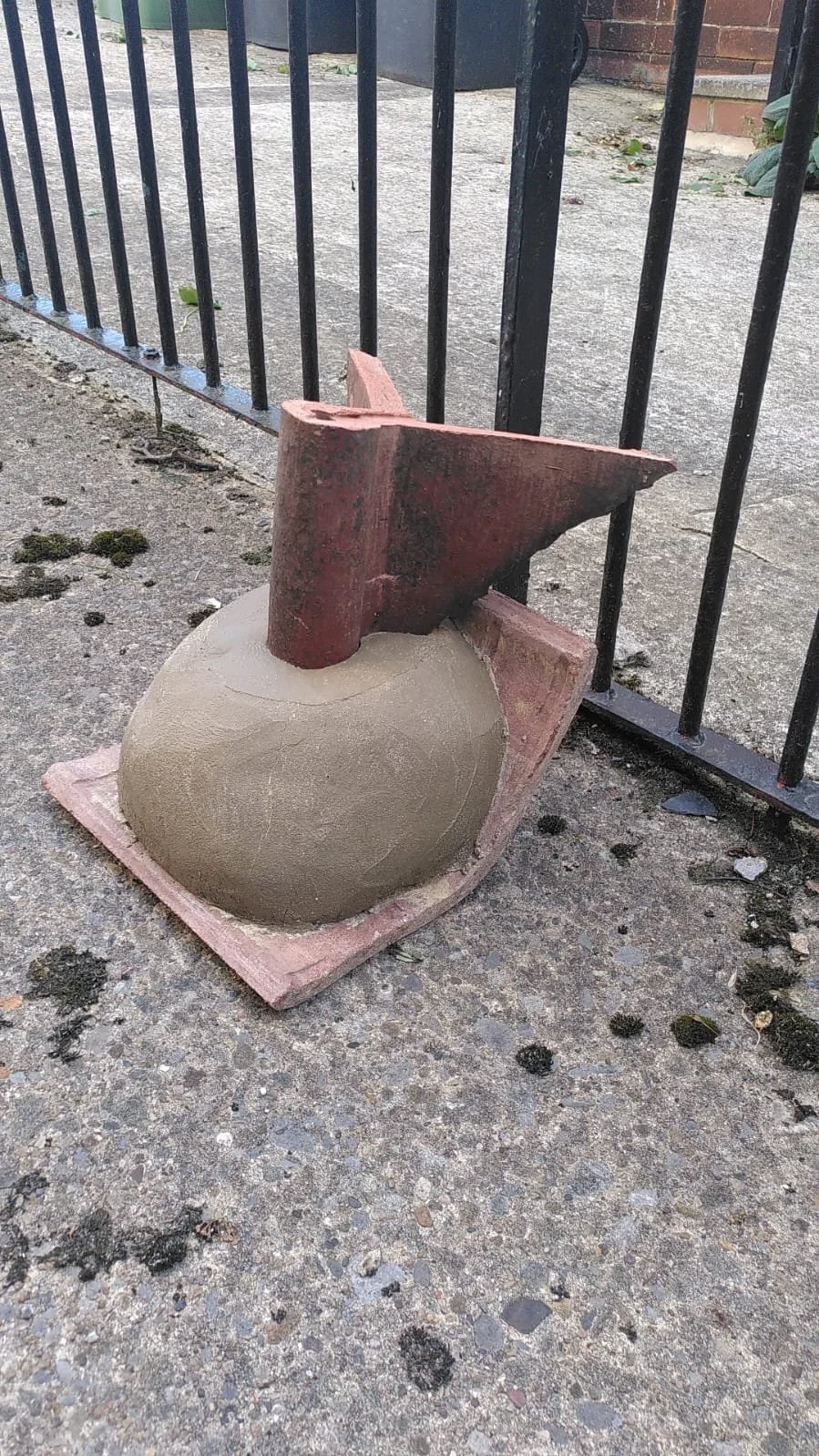
Had my nephew over to repair my roof and he reminded me of this long-running tradition of construction workers making little sculptures from leftover materials.
My dad was doing it from the late sixties until he retired from building, only a few years ago. He often made fish shapes out of leftover plaster or cement, as he was a trawlerman in his teens.
I think the tradition has faded somewhat in recent years, but it's a great little example of how creative we humans are, and on many levels.
Poetry is everywhere
Artist Bios:
Tim Brookes
Tim Brookes is a West Yorkshire poet and former teacher who began writing after retiring following a series of strokes. His pamphlet Taking 6 Away from 100 was published by Yaffle’s Nest in 2023. He runs Under the Lobby Lights and Soul Shed spoken-word nights in Wakefield. His work explores class, disability, memory and the difficult comedy of ordinary survival.
Kev the Poet
Kev The Poet was born in Liverpool, but is now resident in Mid-Devon. He began writing poetry in 1991, after finally getting it and a response to unrequited love. He began again in 2022, as a response to the preventable rise of fascism. His work has been published in the American poetry magazine Shine, he has been broadcast on BBC Devon and also contributes a weekly poem to Shaun Keavney’s show on Community Garden Radio. He gigs across the country - You can find him on Insta @thekevthepoet.
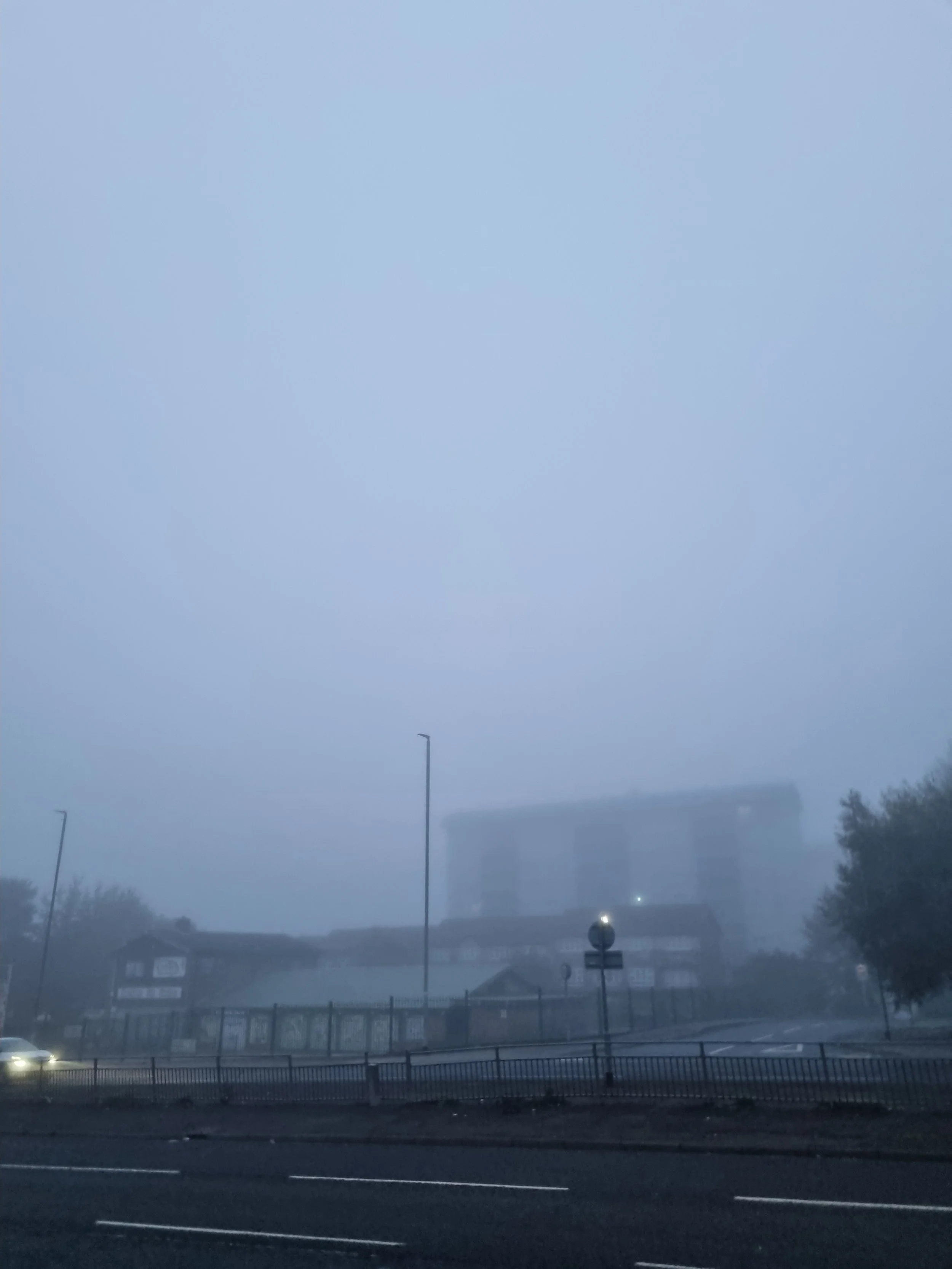
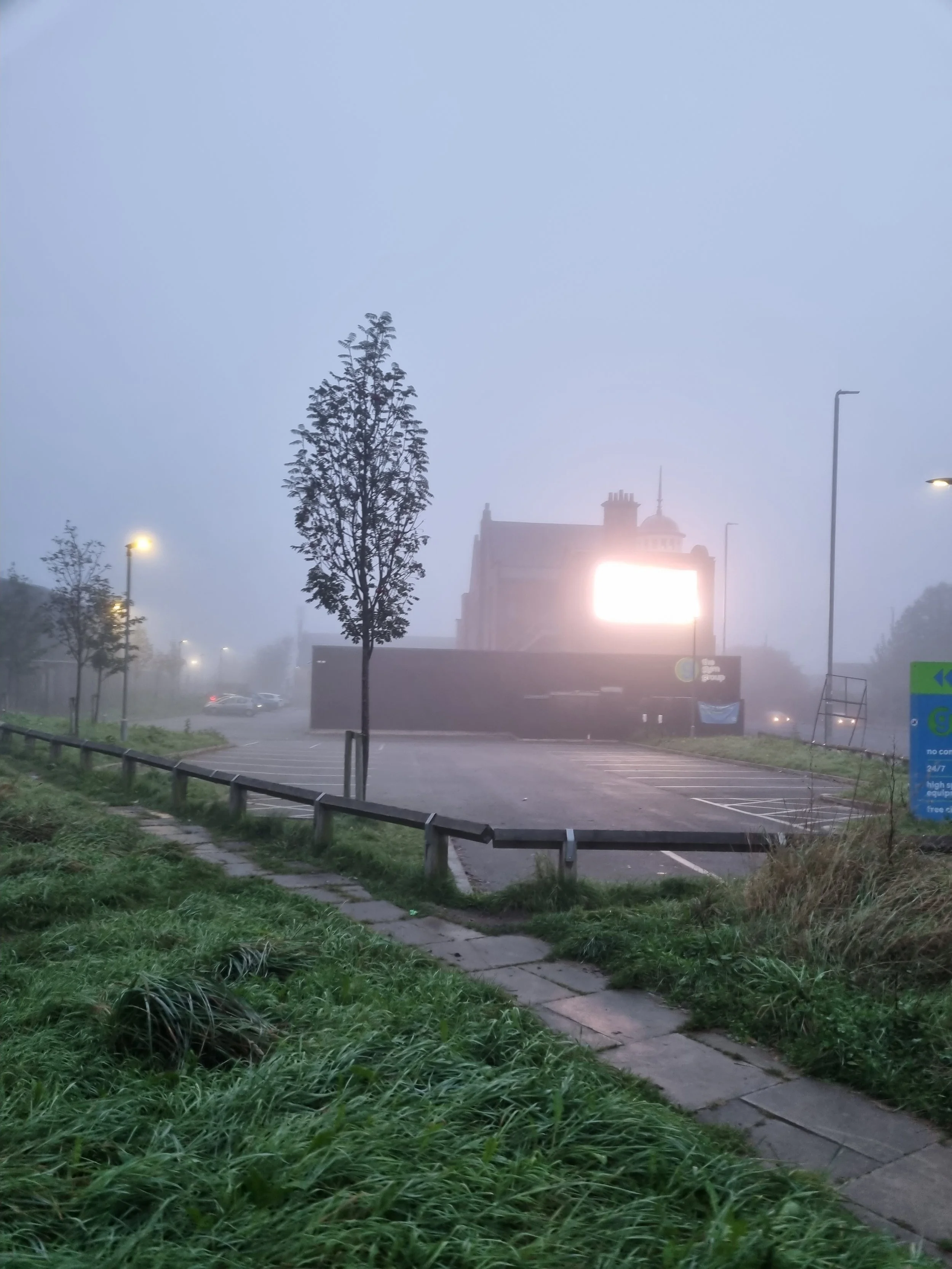
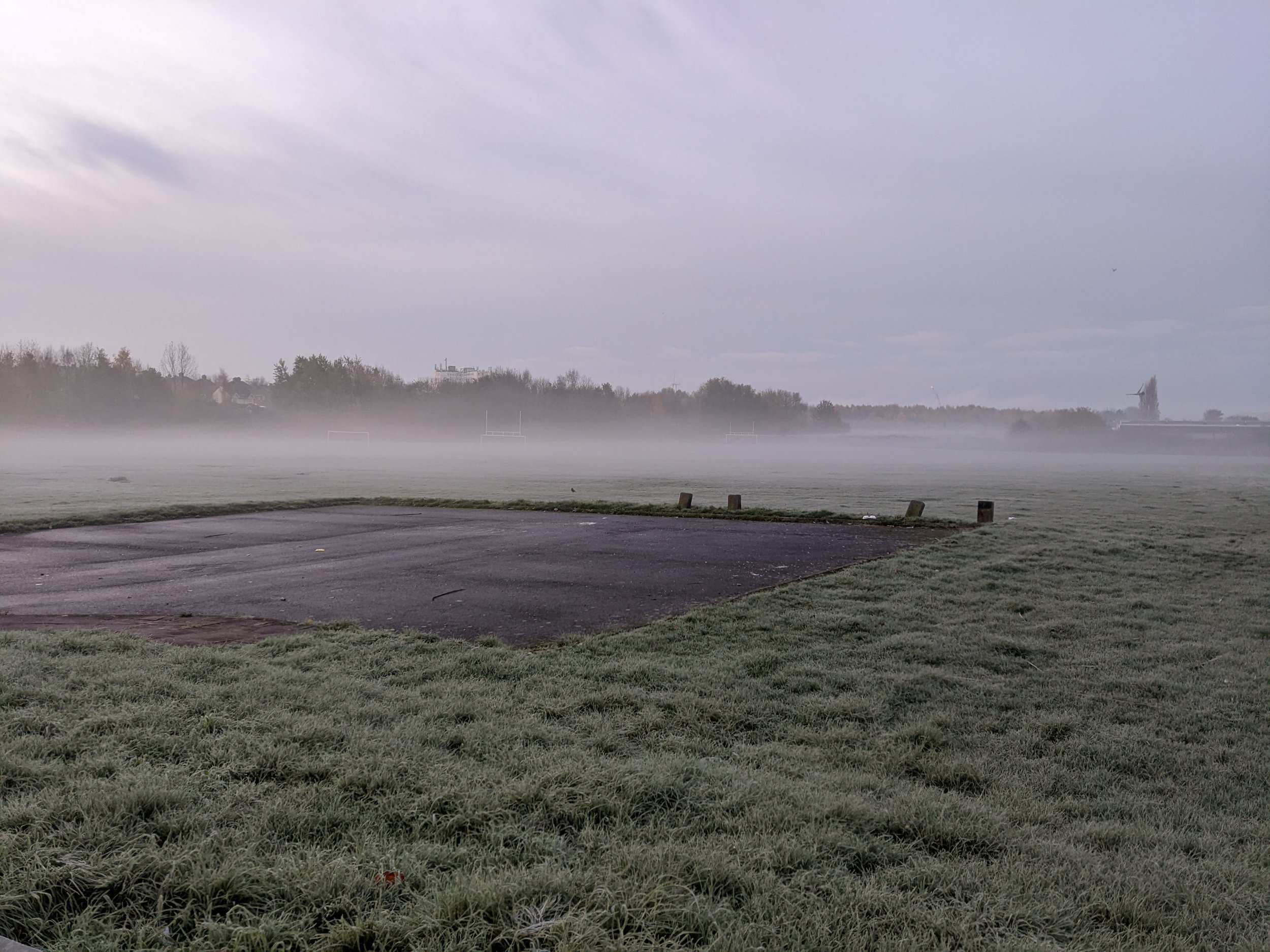
Charlotte Lancashire
Charlotte Lancashire is a teacher and photographer. She particularly likes capturing real-life 'liminal spaces'.
Tom Branfoot
Tom Branfoot is a poet and critic from Bradford, and the writer-in-residence at Manchester Cathedral. He won a Northern Writers' Award in 2024, the New Poets Prize 2022 and was shortlisted for the Forward Prize for Best Single Poem in 2025. He organises the poetry reading series More Song in Bradford. Volatile (The 87 Press) is his debut collection. www.moresong.co.uk https://www.instagram.com/tombranfoot/ https://www.linkedin.com/in/tombranfoot/
Rotherham was written during a period when I was mostly living on my own in Rotherham, a place to which I have no connection; my partner was living in Leeds during the week as a result of getting a new job. It was an isolating time which I wrote through out of necessity to grab onto material traces.
Rotherham is a bleak de-industrialised hinterland near Sheffield with a rich ancient and industrial history, facing the threat of further environmental destruction through development.
Unsettled by this period, I decided to research into the place I was living, to find traces of the past in the present and suffuse the text with emotion. These poems experiment with the page as a place to make history and landscape come alive, relishing in word-chords to texture environment rather than logical syntax.
The long poem is an archaeology of feeling and place that may otherwise have gone unregistered and forgotten. Much like working with archival material, this form structures emotional flux that, without this vessel, could have been buried in a busy, transitional period.
This particular section was written after engaging with some archival material about Kimberworth Park (the area we lived) after hearing that it was an Anglo-Saxon stronghold before the Normans when it became a medieval deer park and on the hill stood a motte-and-bailey castle. I thought it was incredibly sad that this history became buried under modern-day slum housing for Eastern European communities, isolated new builds, and A-roads near Meadowhall.
Tim Boardman
Tim Boardman, a poet and artist from Otley, West Yorkshire, crafts lyrical, intimate pieces that illuminate ordinary life, blending reflection, memory, and gentle storytelling into moments of subtle emotional resonance.
A devoted family man, Tim balances his life between his roles as husband, father, teacher, and poet. His work celebrates those intersections — where care meets creativity, and where everyday life becomes poetry.
Zainab Abdeslem
https://www.instagram.com/homelessness_journal/
Tom Priestley
Tom Priestley was born in Leeds in 1988. Tom began writing poetry and fiction from the age of 19. Inspired by Hunter S. Thompson, Charles Bukowksi, Jack Kerouac and John Cooper Clarke. At the behest of a friend began performing his poetry at open mic nights around Leeds. From there he has supported many bands on the Leeds music scene, self-published nearly 13 collections of poetry, organised events around Yorkshire, hosts his own poetry hour Urban Gristle with an online radio podcast through Cloth Cat Broadcasts, has released 2 albums, “Levels of Insanity” and “Shades of Chaos”, with Martin Trippett, and been the drummer for the best band in Leeds, The Beer Snobs.
Sophie Masters
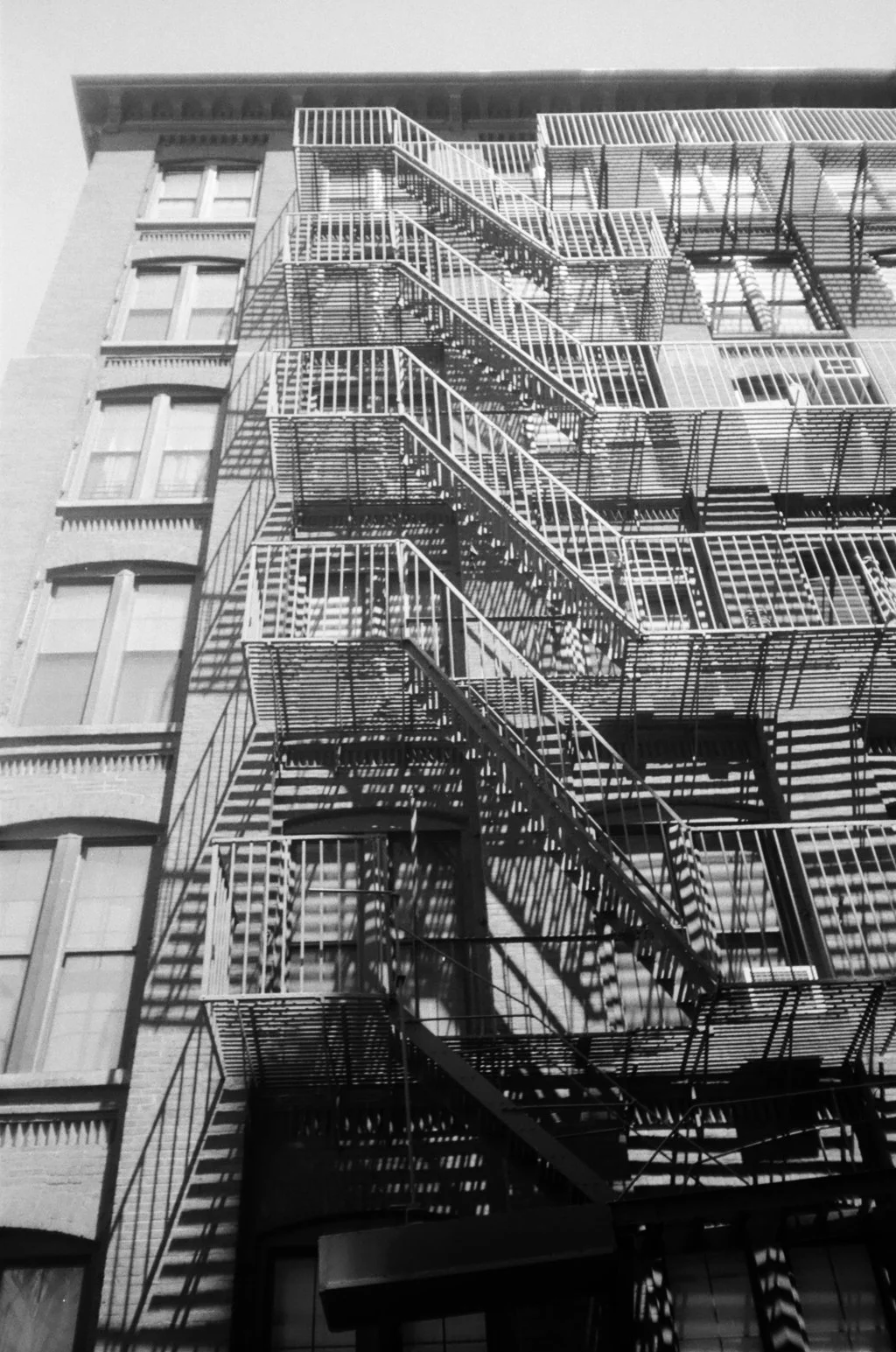
Sophie is a sometime photographer and illustrator. She prefers black and white photography and is drawn by dramatic light and shadow. Although her photographic work rarely includes people, she feels that the fingerprint of human life is always present in her images.
The street photos are all taken in Leeds, specifically Hyde park, except for the building with the stairs climbing it, that's from New York.
Jaimes Lewis Moran
Jaimes Lewis Moran is an Autistic Poet proudly from Seacroft, Leeds. An avid eccentric on electric skateboards, wannabe Cyberpunk and green community activist. Currently as of 2025, he has seven themed collections of performance poetry and one collected works anthology. He enjoys Yorkshire tea greatly, some would say he needs to cut back... He recently became passionate about typewriters and will inflict this interest on anyone given the chance.
South Parkway Approach, Seacroft: With this poetry piece I've tried (many times over the years) to immortalise the place where I learned to skate, how it's this threshold space between neighbourhoods. This time however I included the surrounded sights to give it the texture it needed. An urban tale.
Dawn Kirby
Dawn Kirby has been writing for many years, though she has only recently begun sharing her work publicly. Her poetry is gaining recognition, with pieces featured in local anthologies and online publications. Born and based in Sheffield, she draws deep inspiration from the city and, the rural locality where she lives, and including the vibrant community of poets she is privileged to work alongside.
Joe Spivey
Joe Spivey is a poet from Hull, now based in Leeds, which means he’s spent a fair amount of time travelling between the two and writing things down. His work explores the strange, tender, and often humorous corners of everyday life. A graduate of the University of Hull and Leeds Trinity University, Joe holds a BA and MA in Creative Writing. His work has most recently been longlisted for the 2026 Winchester Poetry Prize, and he regularly reads his poetry at events across Yorkshire. With a voice that is both thoughtful and conversational, Joe brings an observant view to the everyday, finding poetry in the places and moments that might otherwise go unnoticed.
Matt Tyler
Matt is a Darwener with Manchester as his home away from home. He loves reading and writing stories about time travel.
Rosie Weintraub Ox
Roisin Weintraub Ox is a Manchester based Poet and artist. Her work is rooted in a curiosity about place and people.
She is particularly interested in language and communication. She is learning heritage language as a dyslexic person so her true focus is the comedy and poetry of misunderstanding.
You can find her on Instagram @lookingforalostlushen
Logan Harris
Logan is a recent graduate of Politics and International Relations. Who is focusing on his passion for writing - particularly around the everyday politics of our world. He is currently working on a novel.
I Hate The Job Centre Plus Building: It links the experience of claiming benefits to architecture both office jobs in nice offices and living a fruitful life in art galleries and visiting foreign countries such as Italy.
Todd Murphy
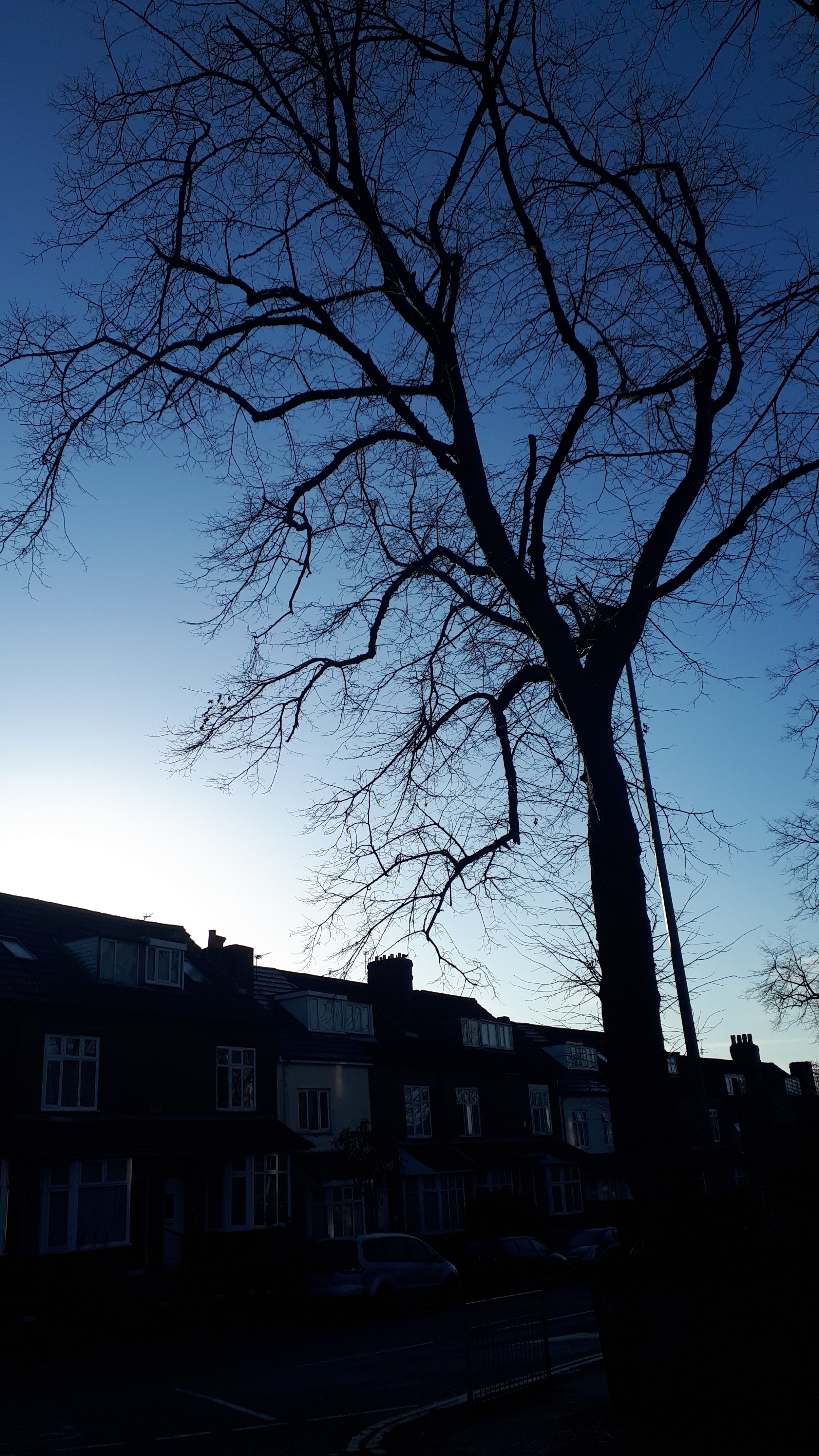
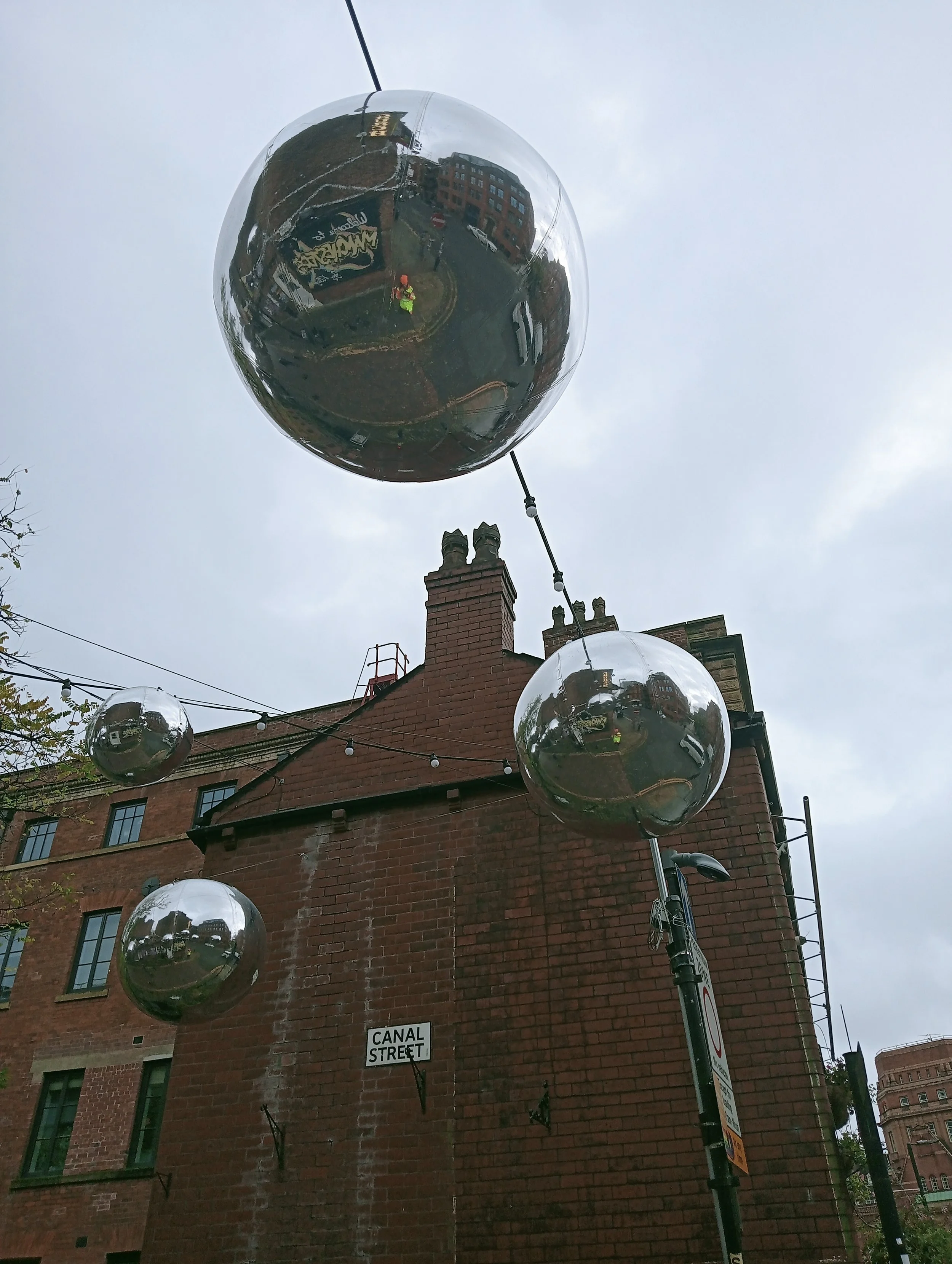
Todd Murphy is a writer. He has sent in three haikus and three photographs. "Creativity itself is a snapshot of our human experience," he says. "The art we create is what completes the circuit. It lights up the truth."
Dick Wiggins
Dick Wiggins has lived in Lewisham since 1972. He has always had an interest in words and music and, now in retirement has turned to writing and performing poetry. In the late 1970s he joined many others in protest against the National Front on the streets of New Cross.
New Cross: The poem was originally written as an ekphrastic piece in response to a Bert Irwin’s abstract painting entitled ‘New Cross’ and a tribute to Linton Kwesi Johnson.
Annie Acre
Annie Acre, the editor of Urban Scrawl, is a surveyor/poet & strange storyteller whose work has appeared in Ink Sweat & Tears and Aftershock as well as spoken word events around Manchester. She hopes you like what she’s doing with the place x anniesacre.co.uk @sylviasdrum